























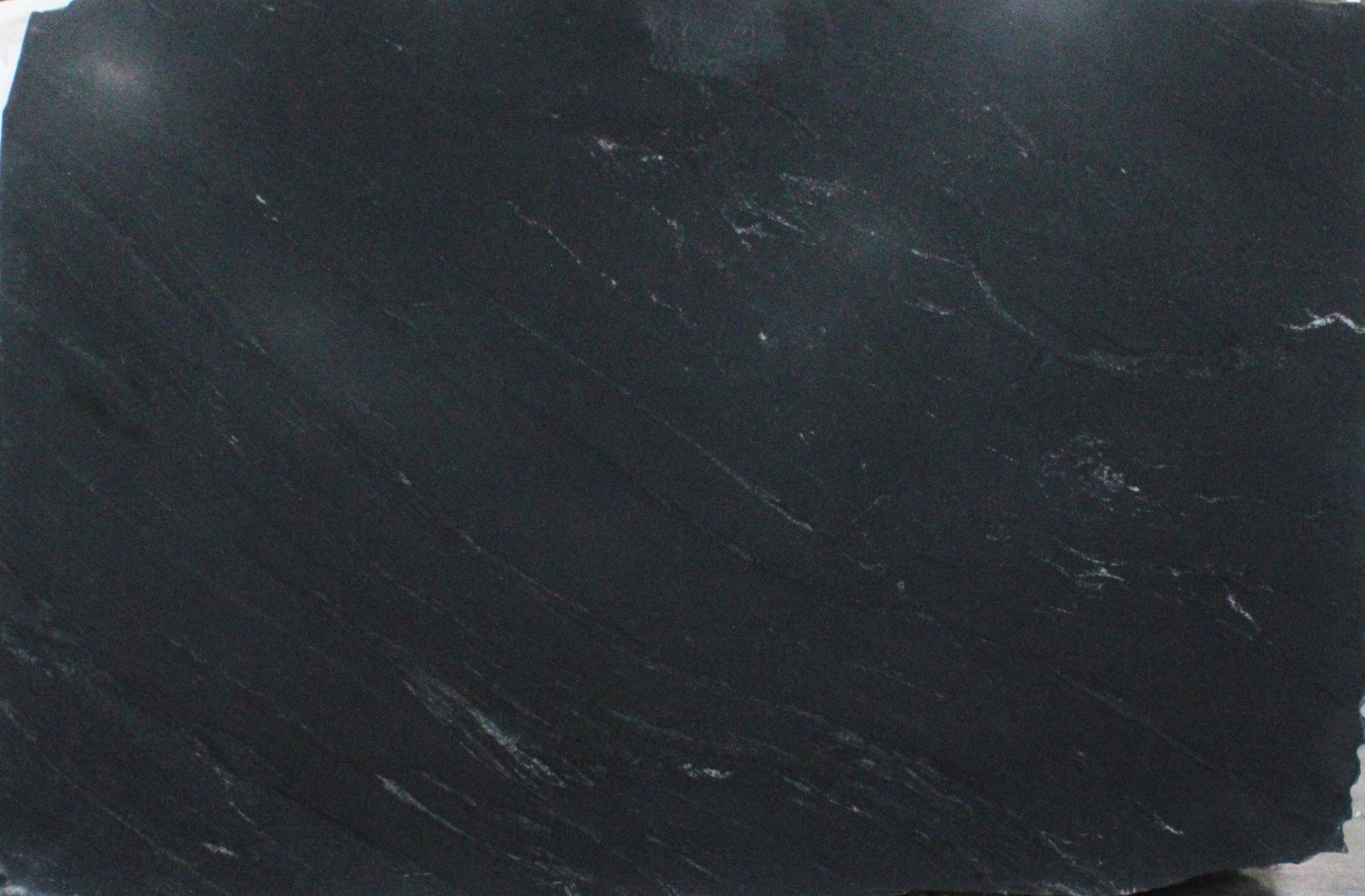
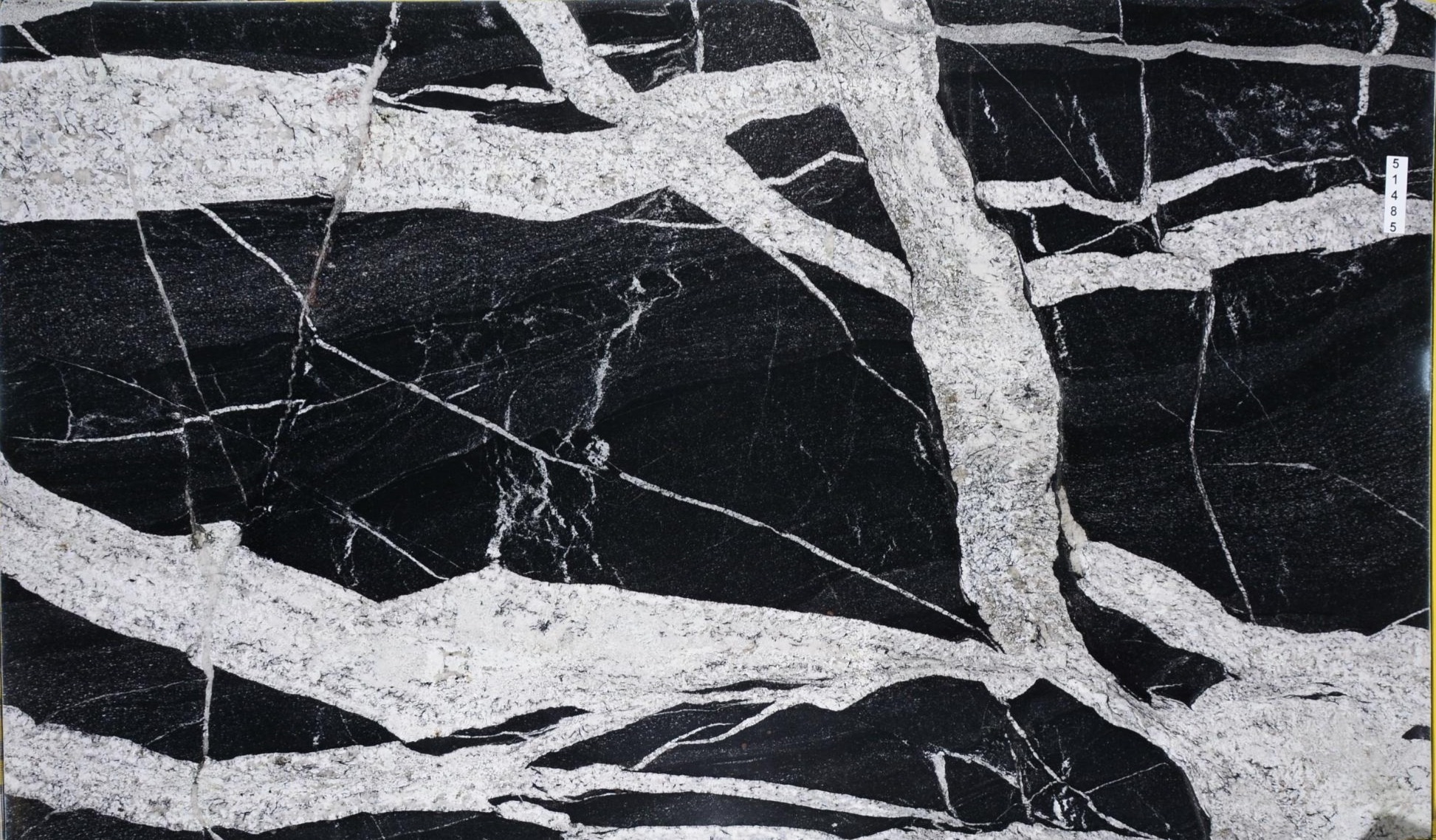

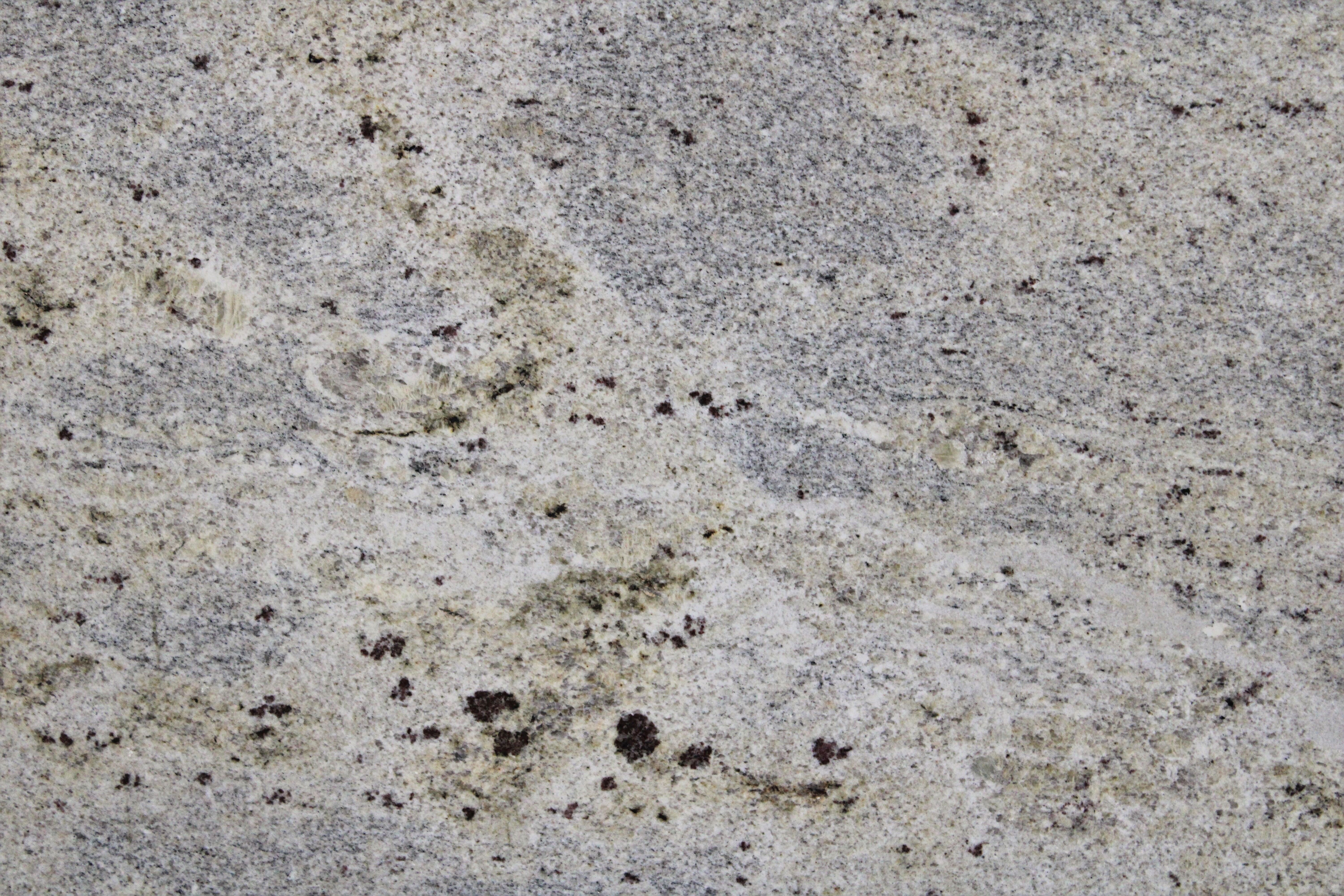
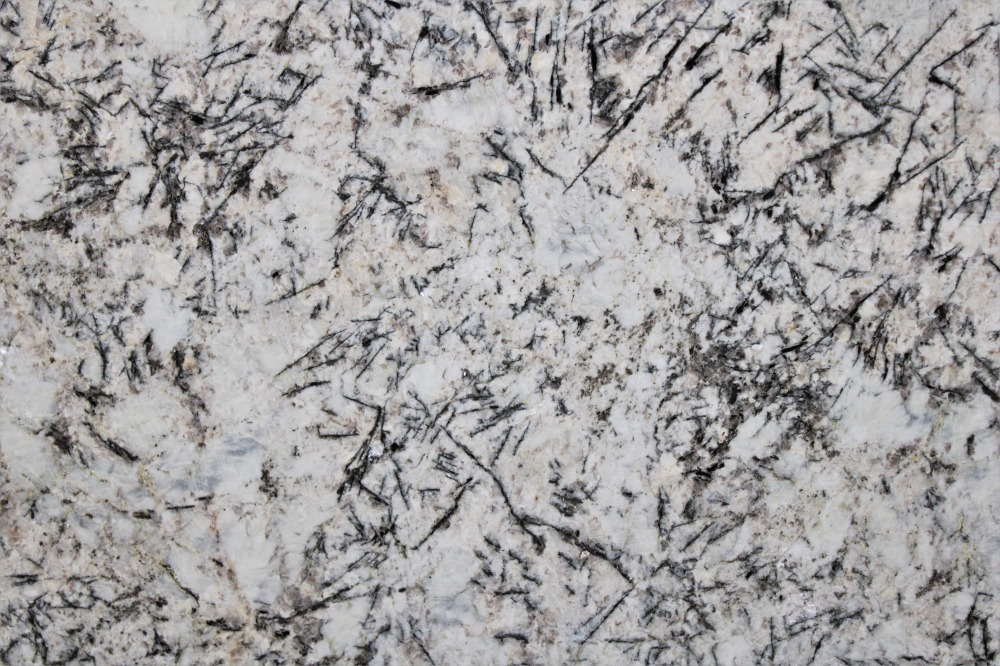
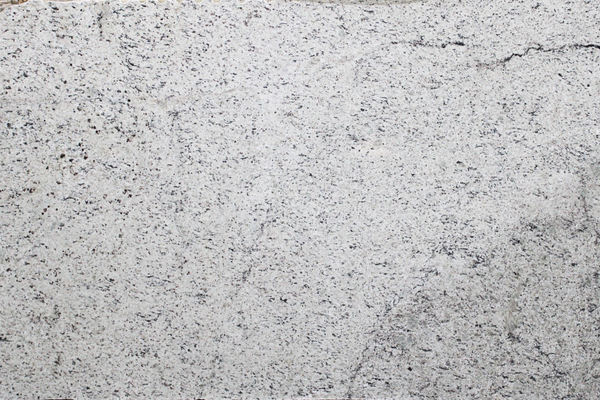
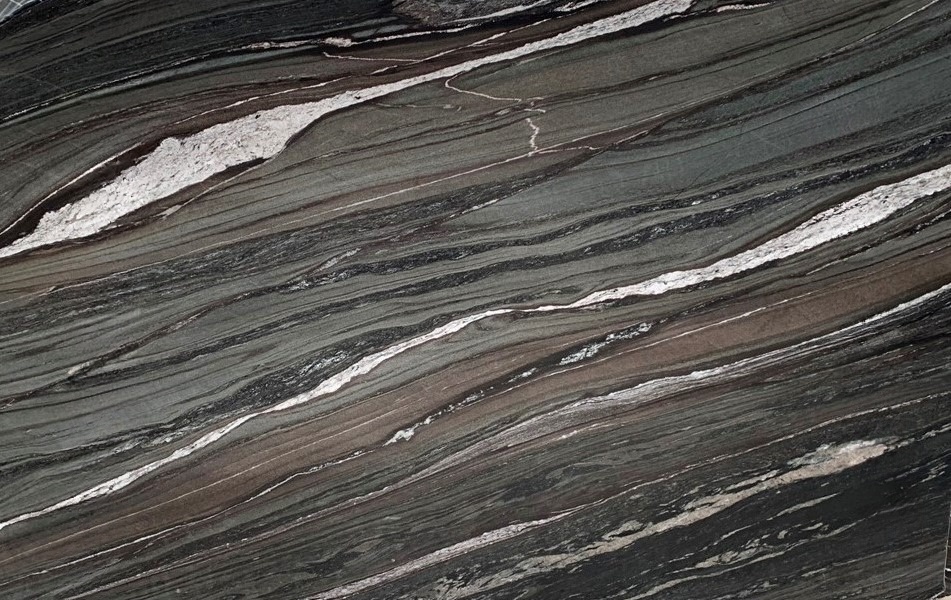
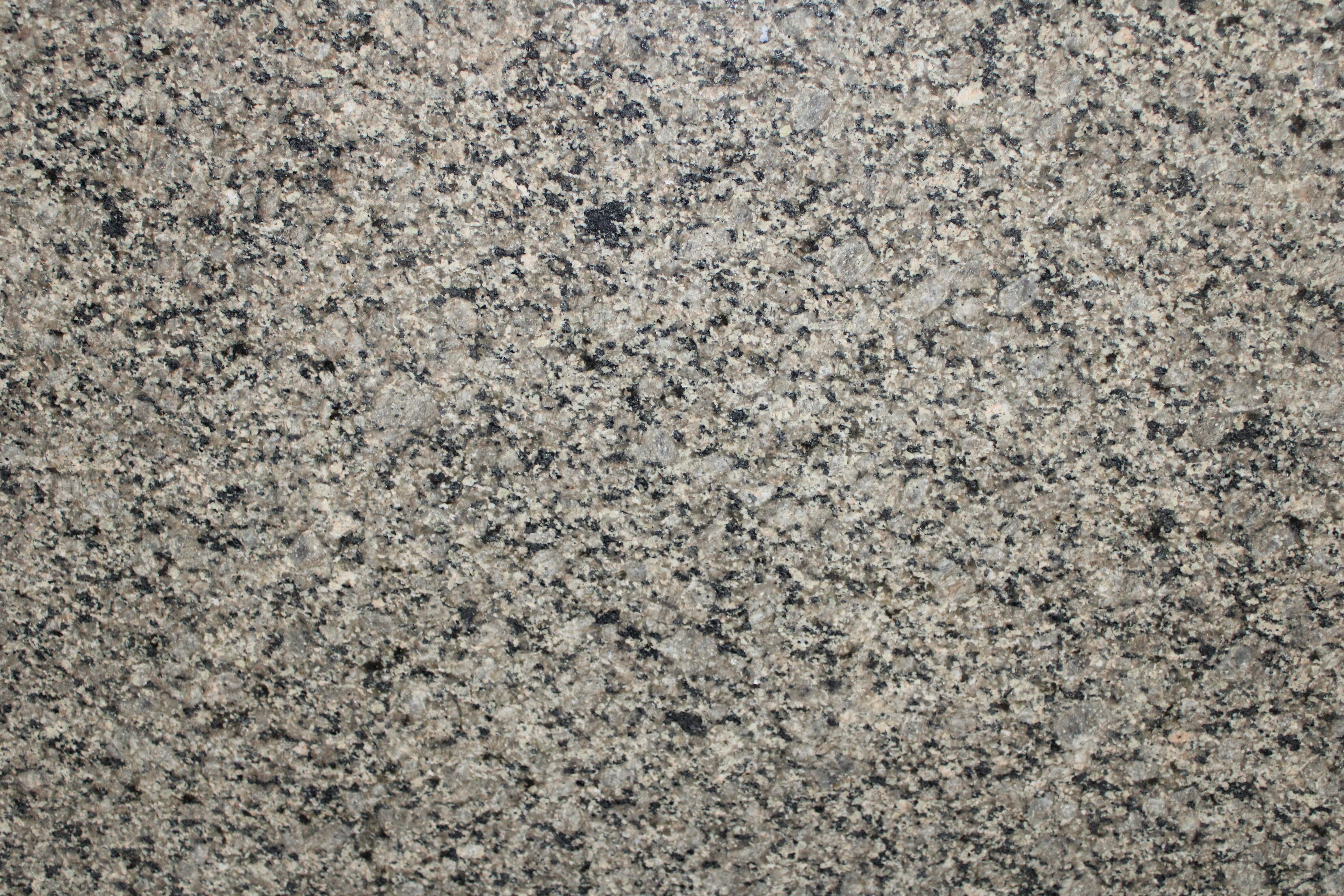


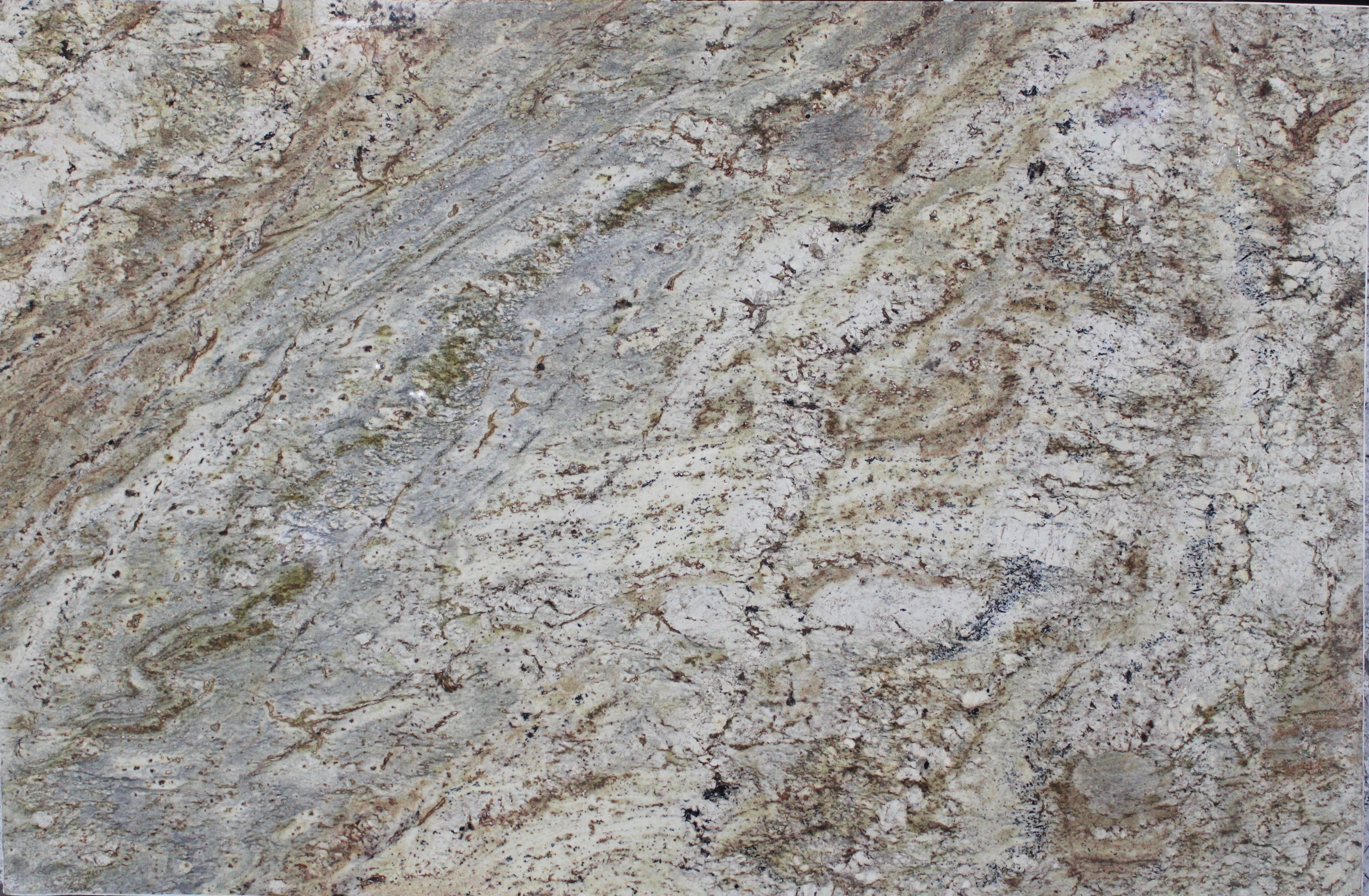
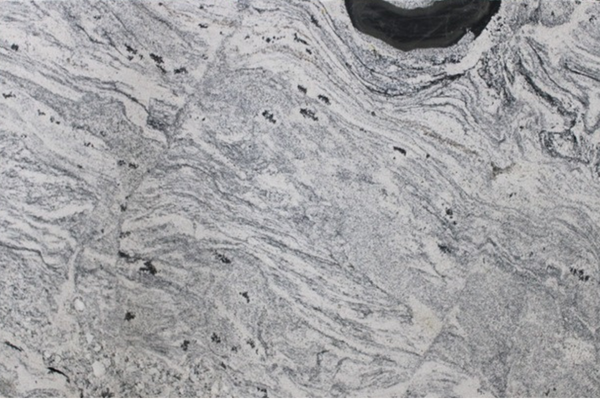
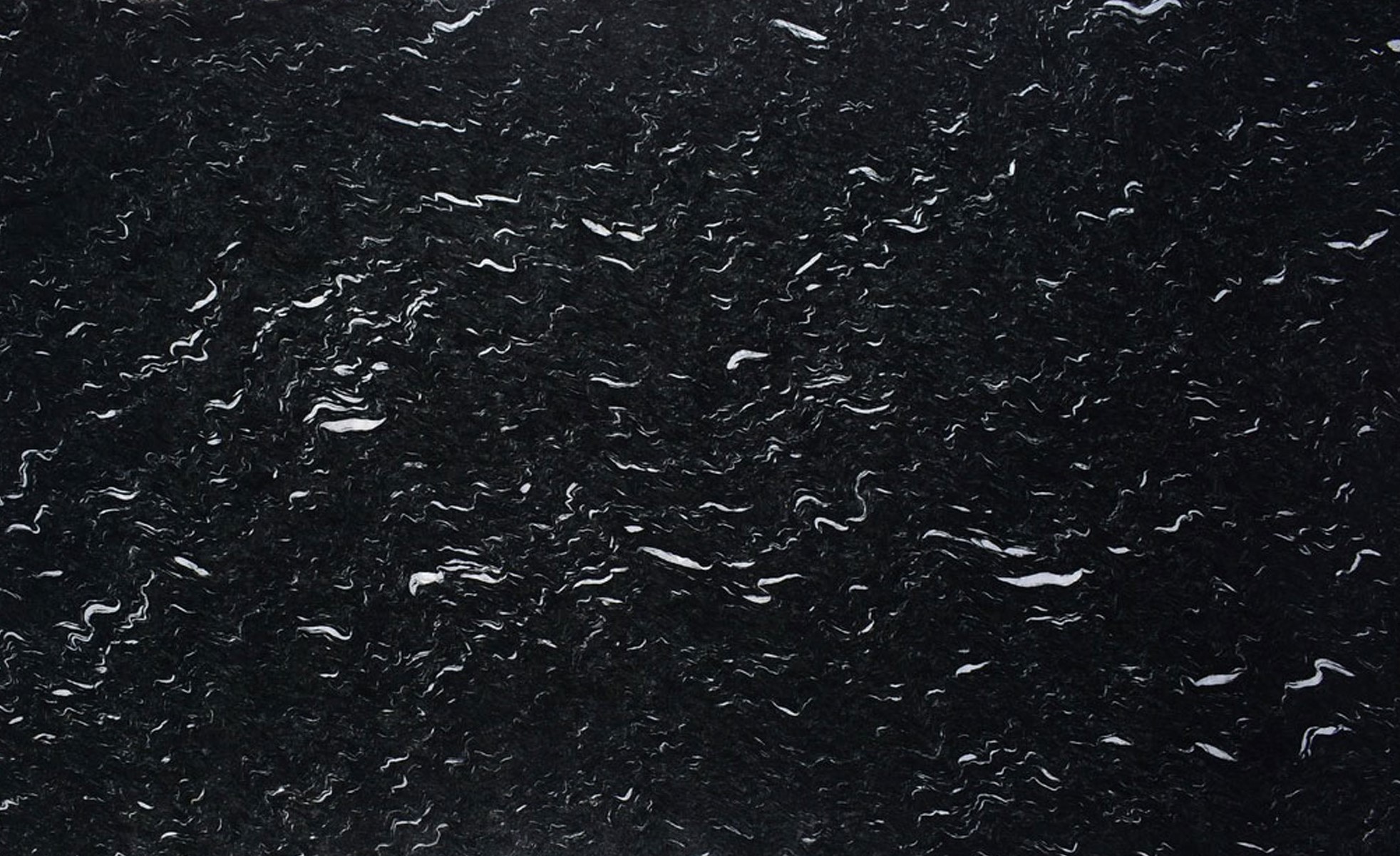
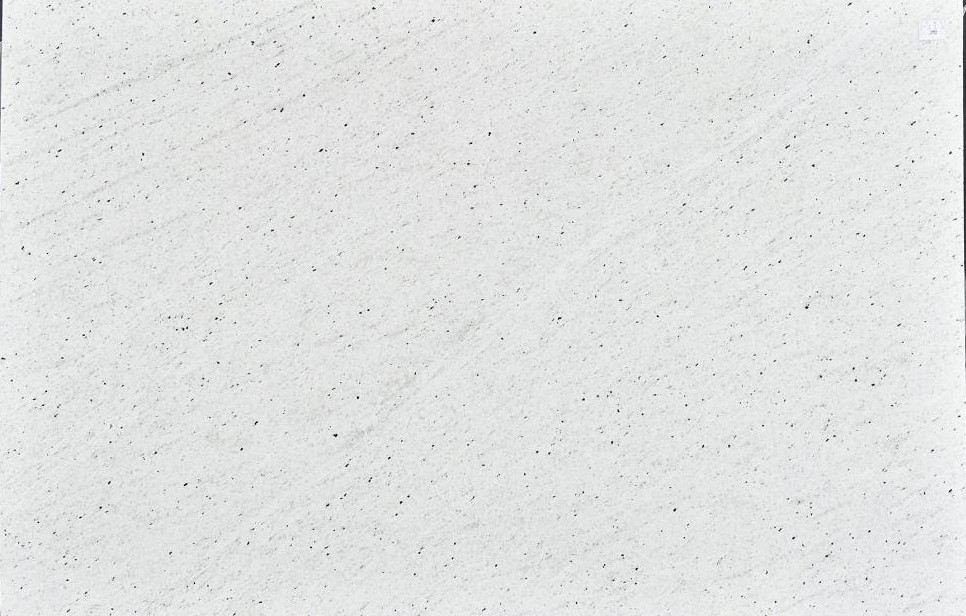
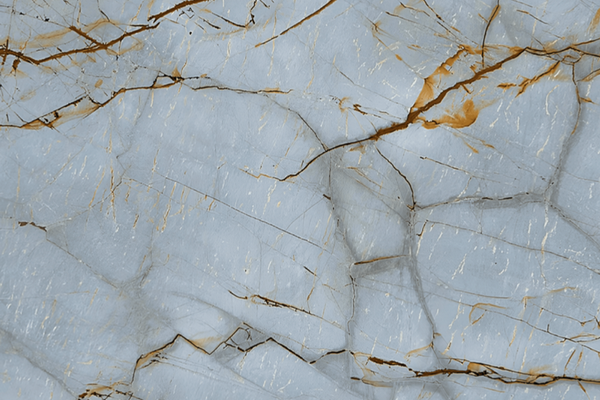
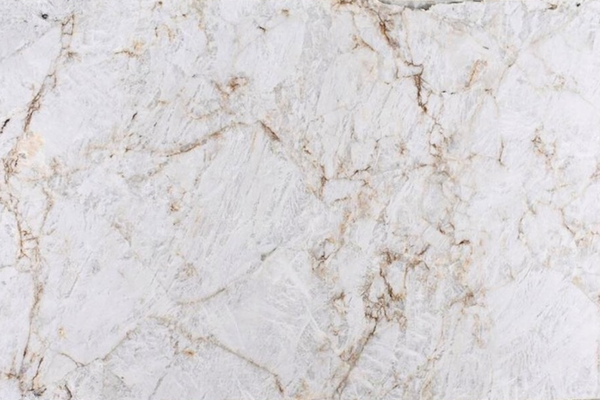
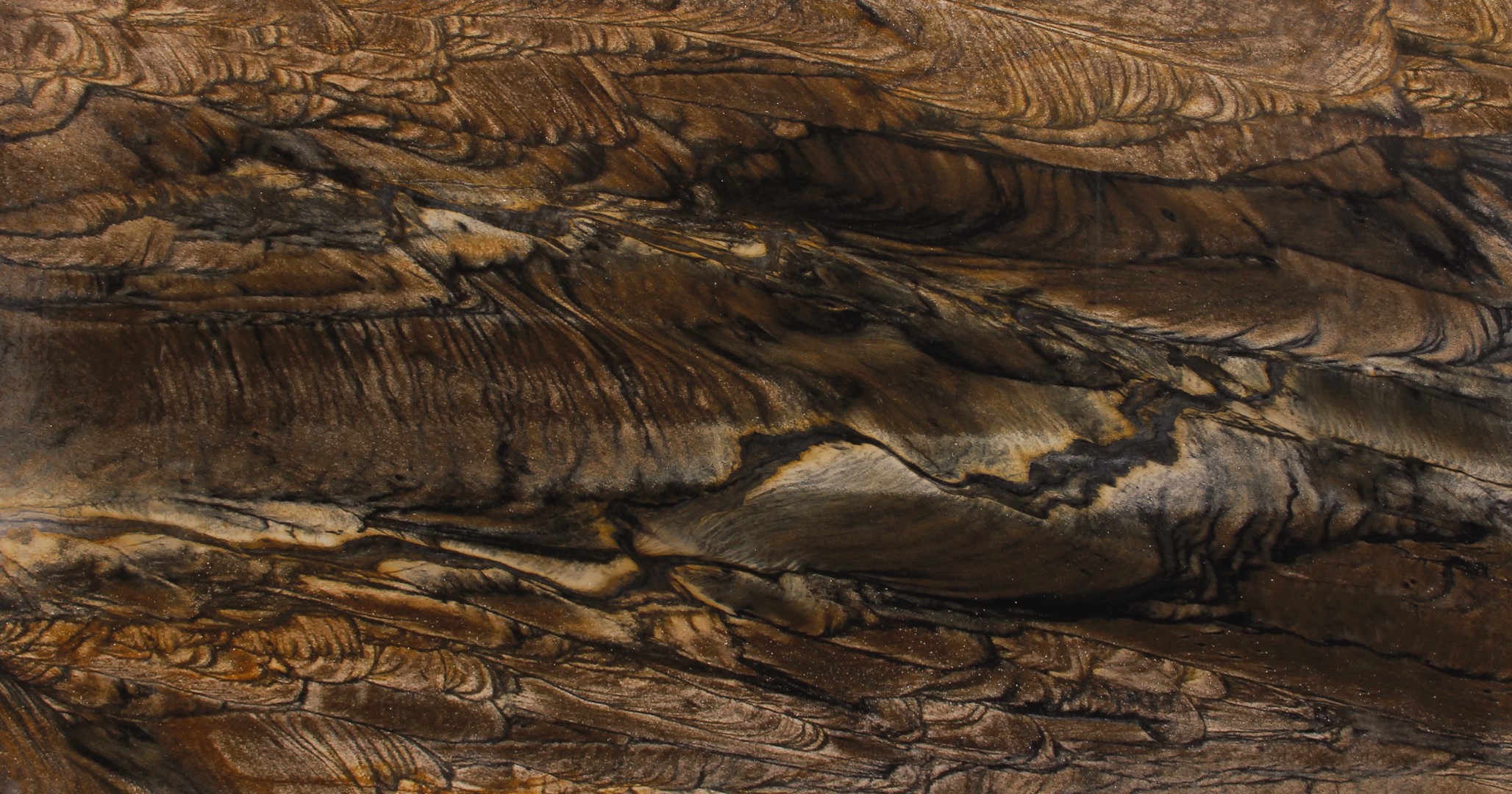

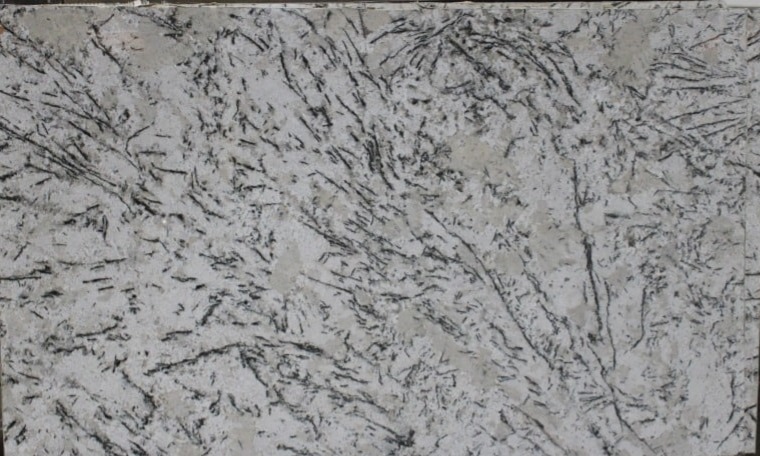
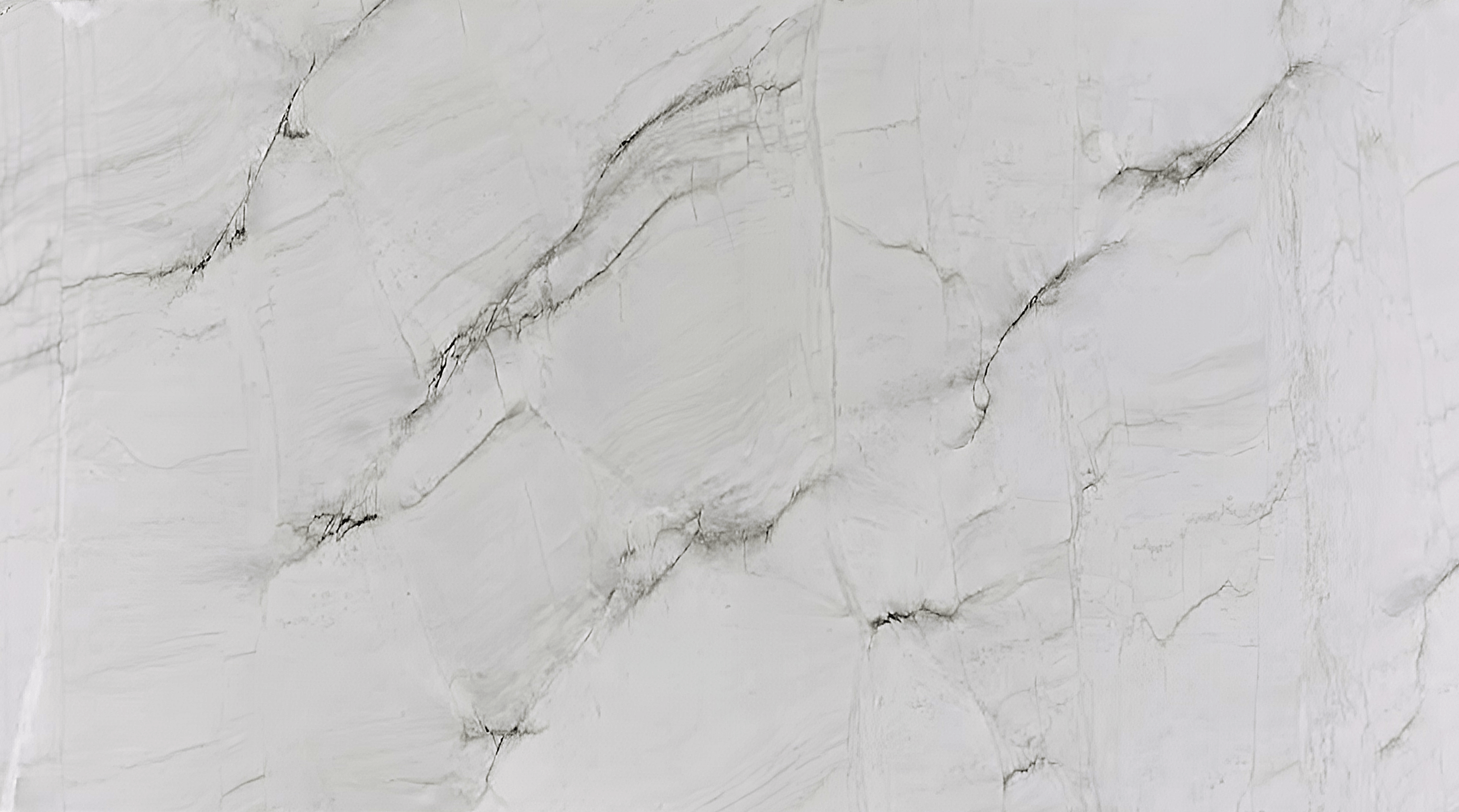
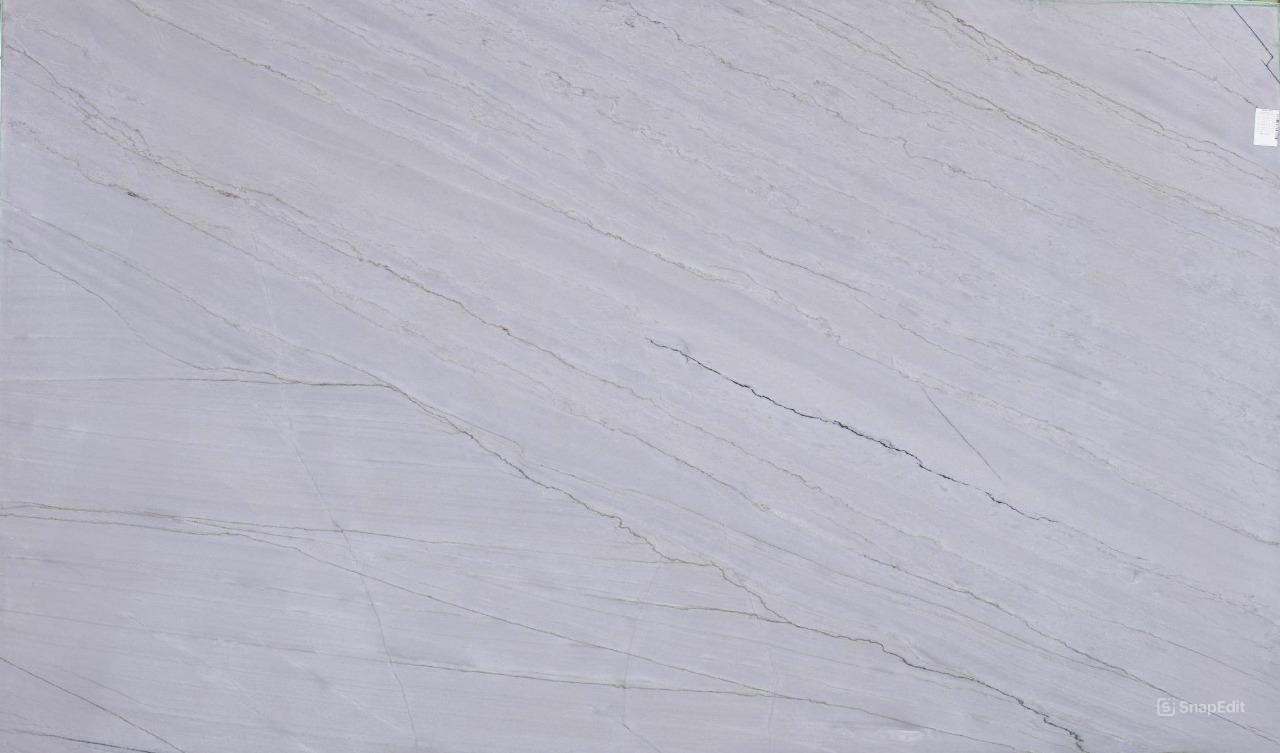
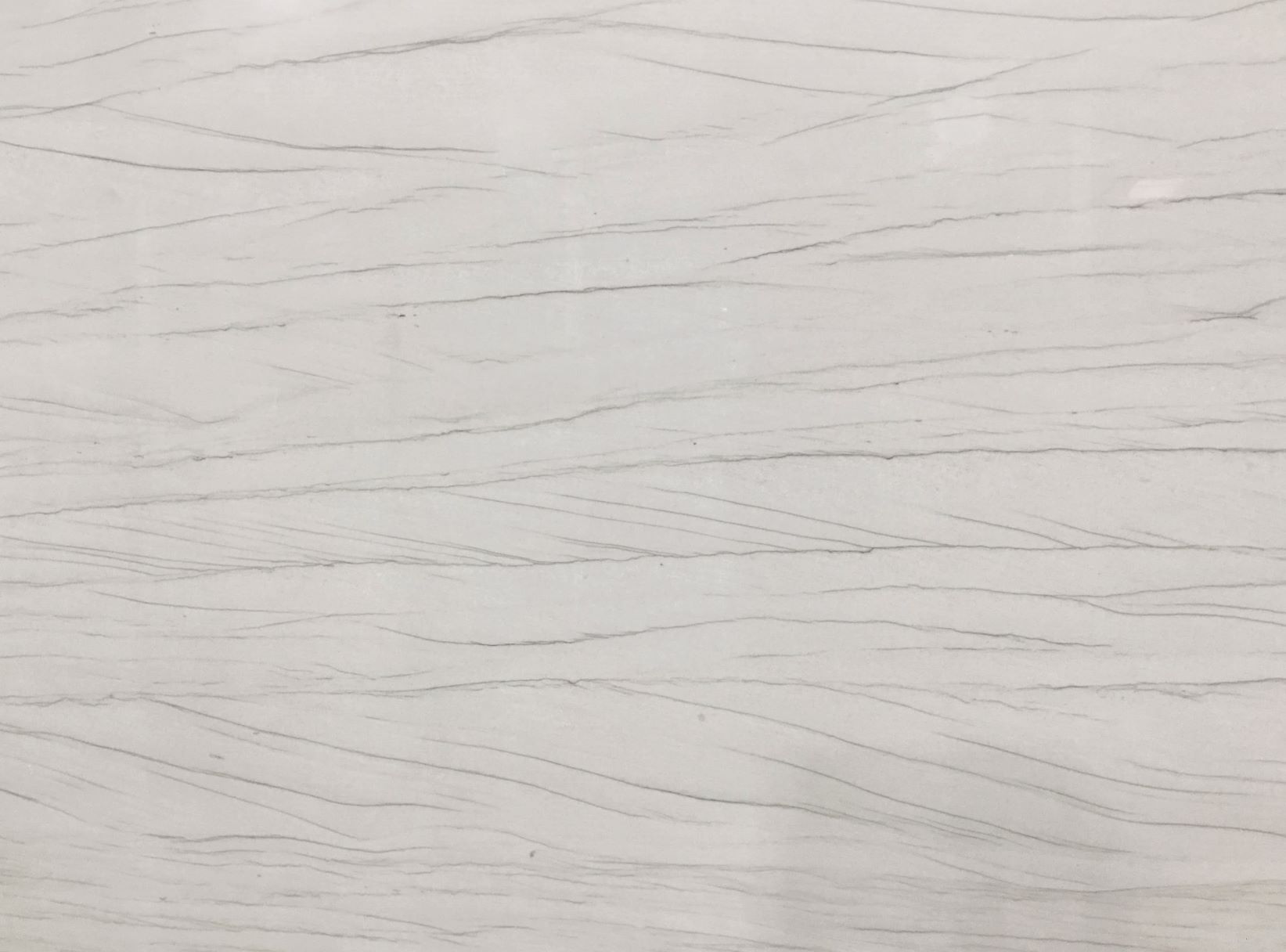

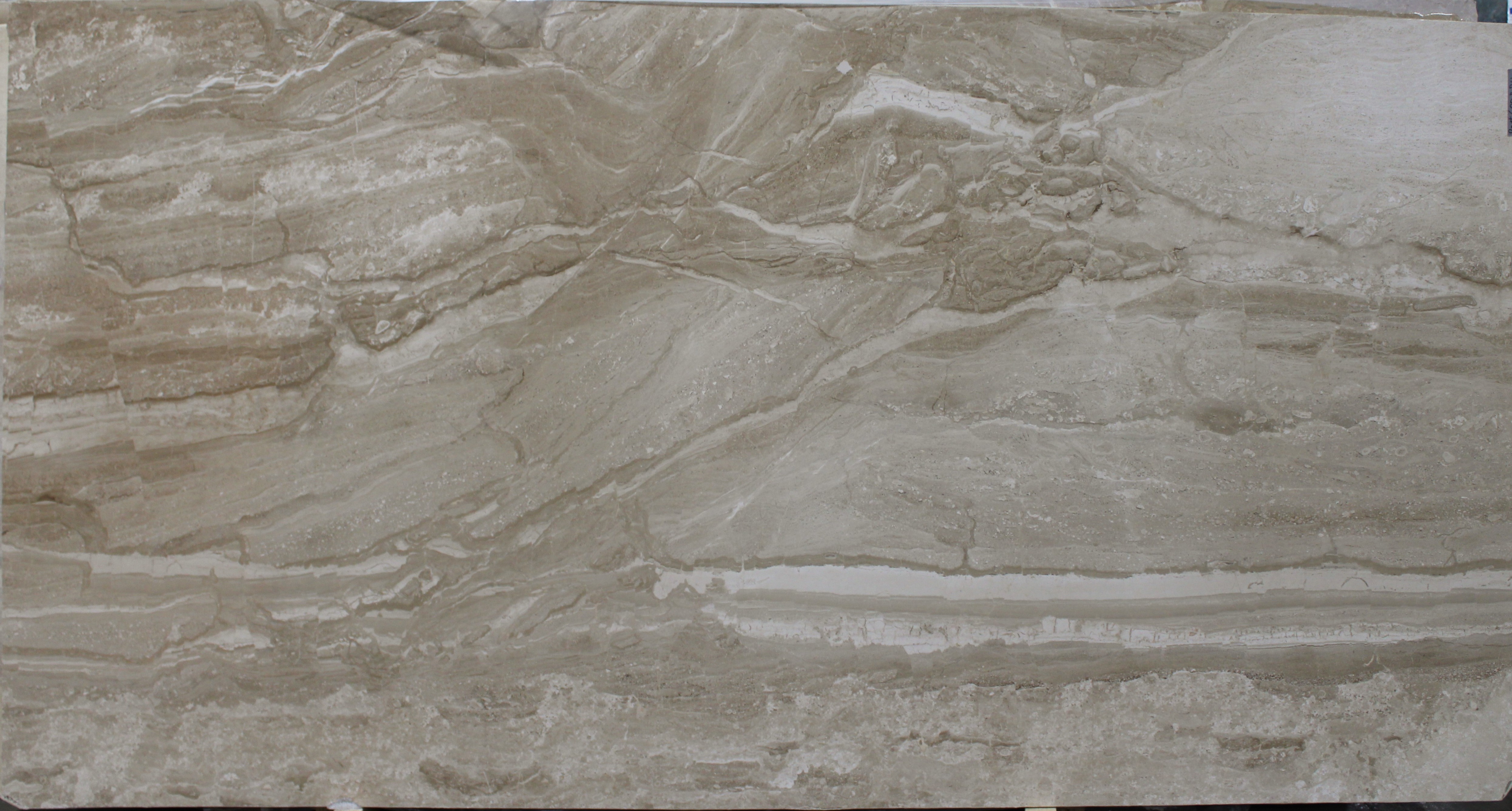
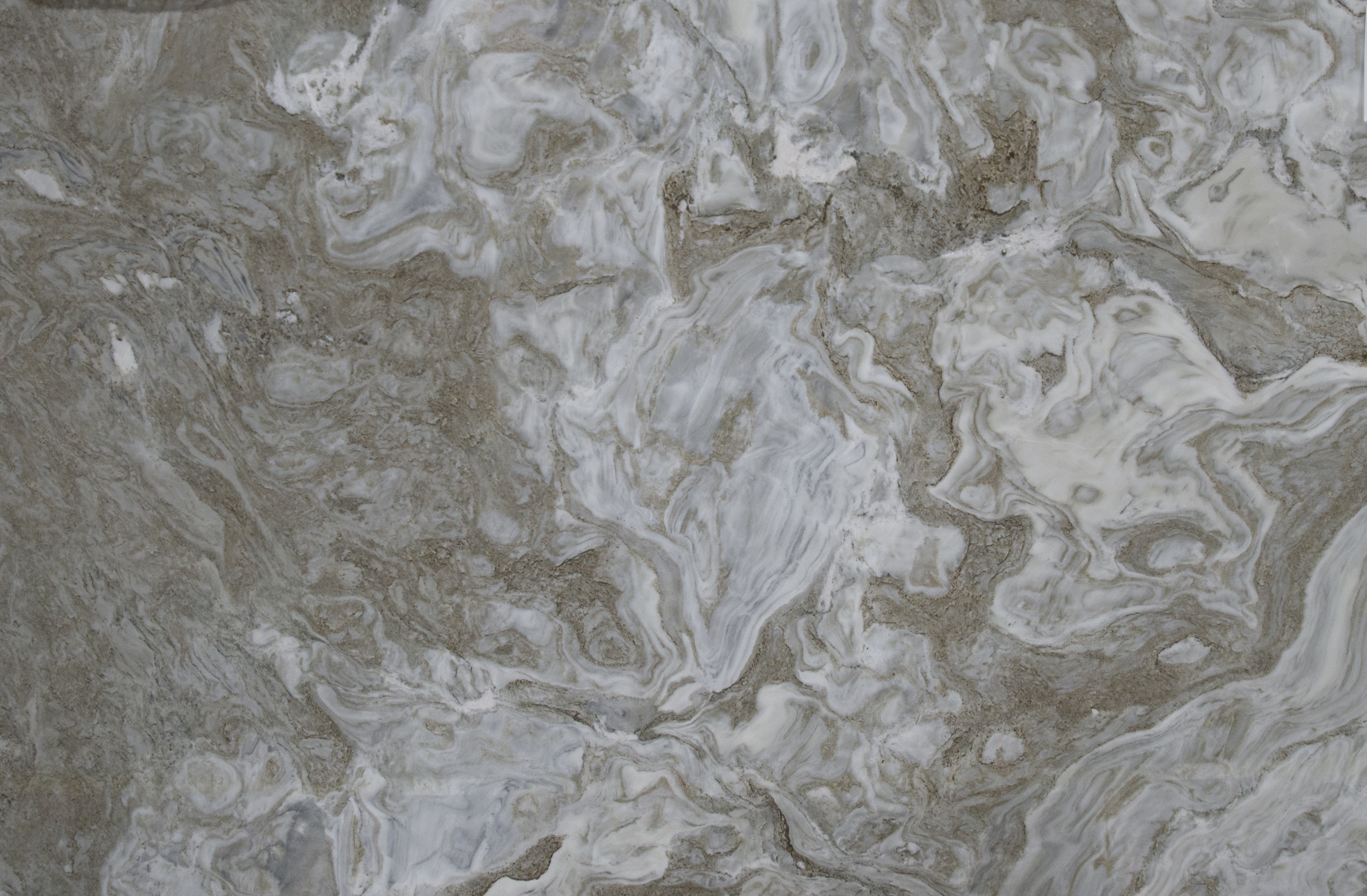


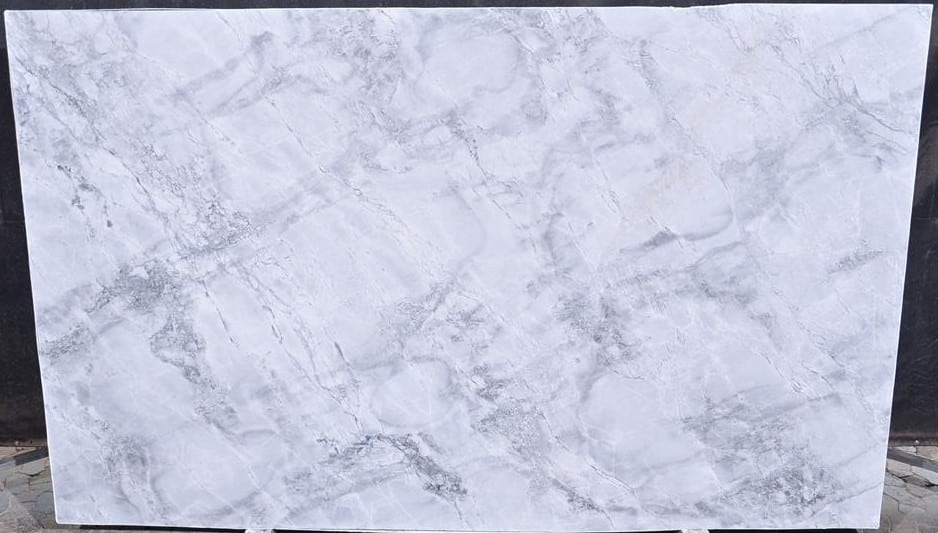
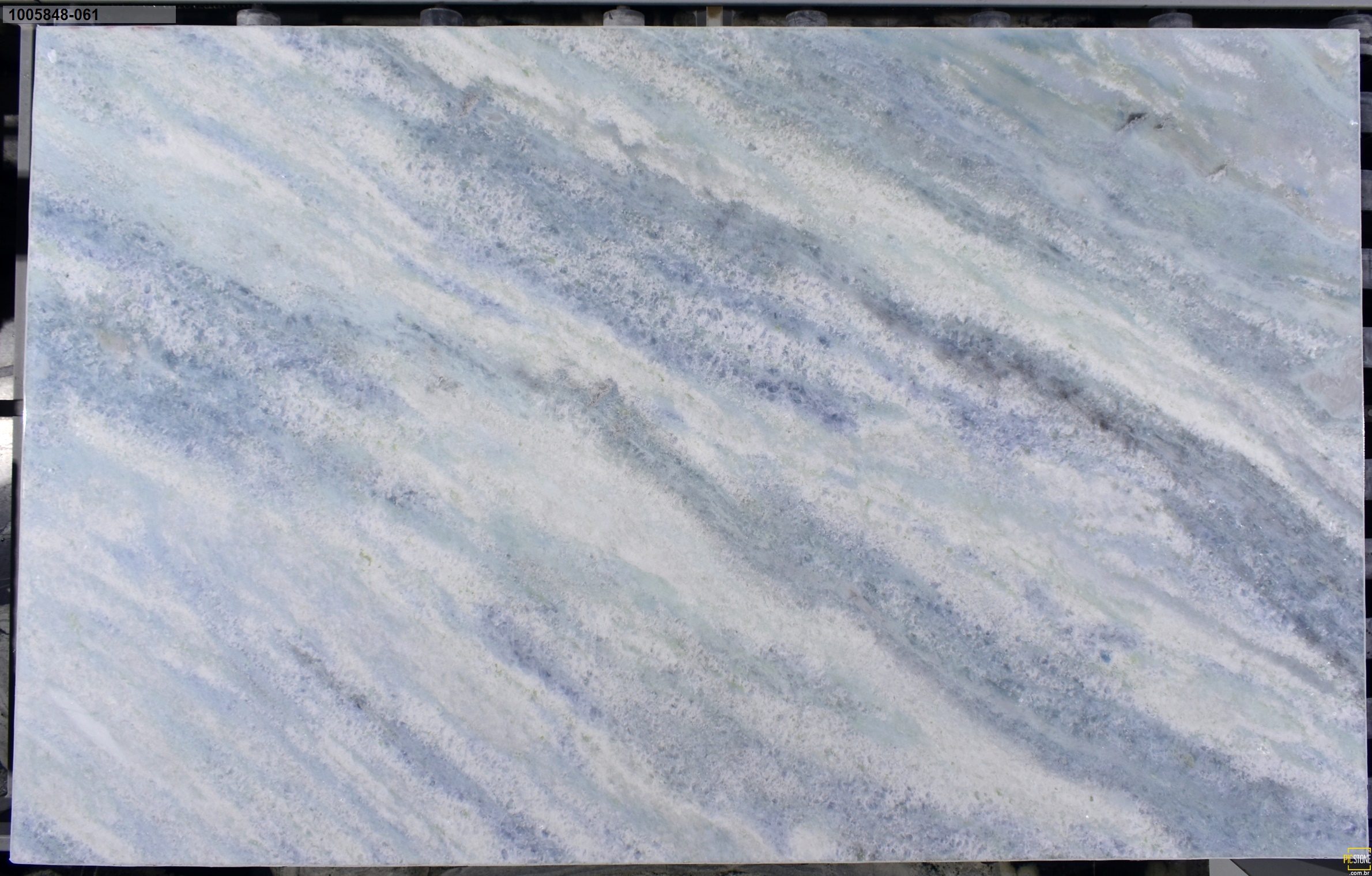


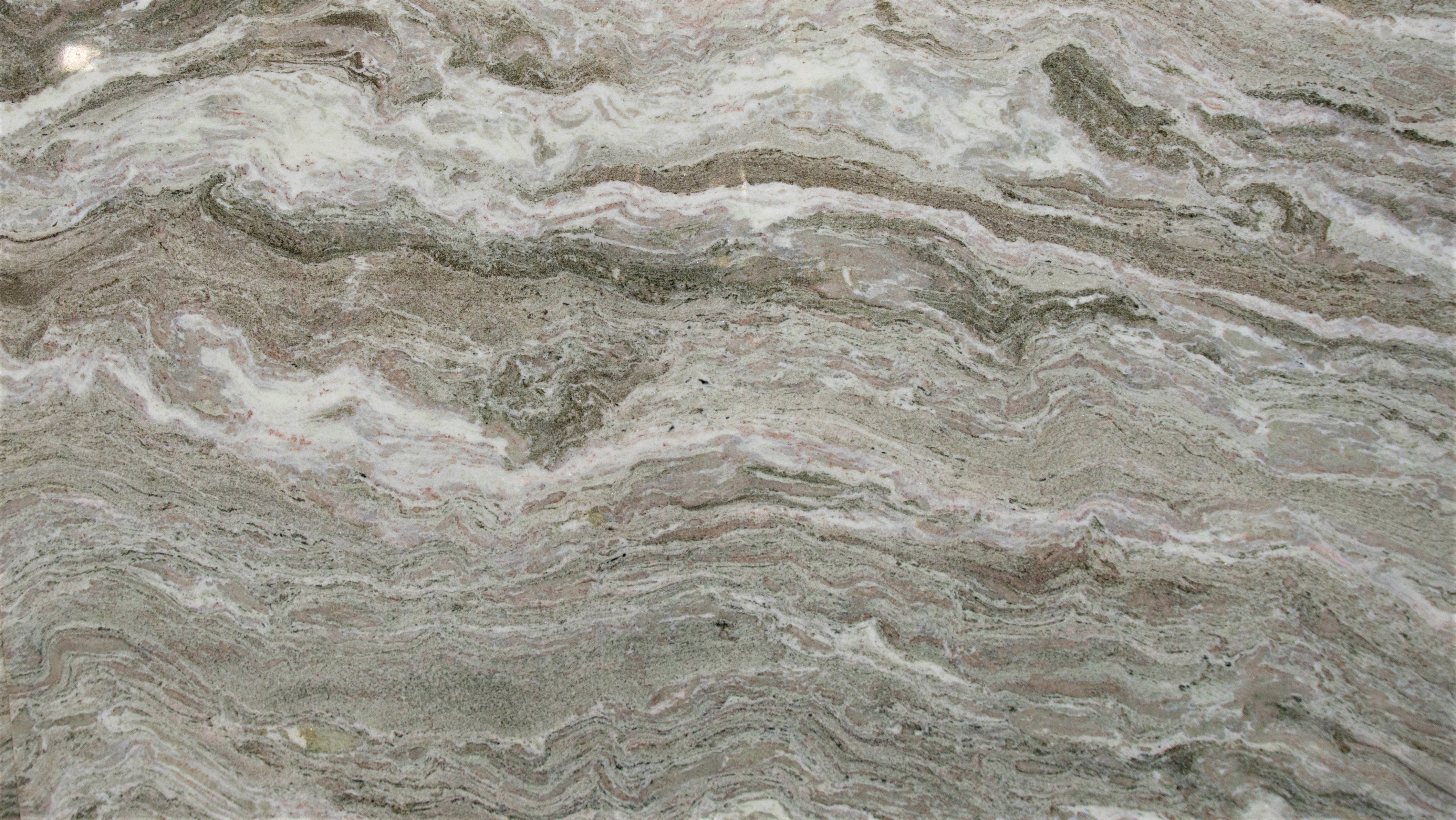






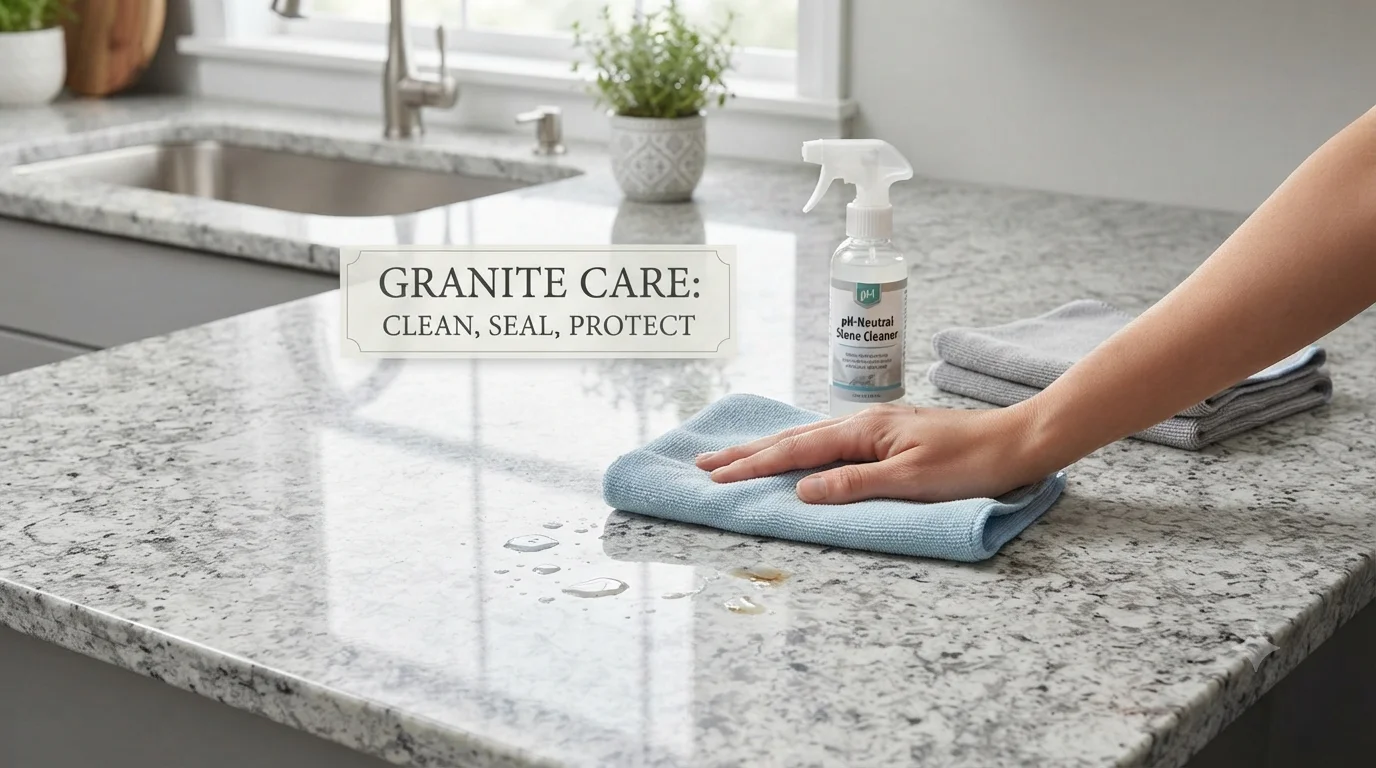
Learn how to clean and care for granite countertops the right way. From daily cleaning and stain removal to sealing, preventing damage and maintaining their natural shine, follow these practical tips to keep your granite countertops beautiful and protected for years.
Granite countertops are known for their strength, natural beauty and ability to handle everyday kitchen use. However, even one of the hardest natural stones needs proper care to maintain its appearance. Cooking oil, food spills, hard water, acidic liquids and everyday dirt can gradually affect the surface if you do not clean and maintain it correctly.
The good news is that granite is relatively easy to maintain when you use the right cleaning products and follow a consistent routine.
The biggest mistake homeowners make is assuming that because granite is hard, it is resistant to every type of damage. That is not true. Granite can absorb certain liquids, develop stubborn stains, lose its surface protection and even chip or crack under the wrong conditions.
At Cosmosurfaces, we believe that understanding your natural stone is just as important as choosing the right slab. In this guide, we explain how to clean granite countertops, which products to use, how to remove common stains, when to seal granite and how to prevent damage over time.
Whether you have recently installed granite countertops or have been using them for years, these practical maintenance tips will help you protect your investment.
How to Clean Granite Countertops Daily
Daily cleaning is the most effective way to prevent dirt, grease and food residue from building up on granite countertops. You do not need expensive equipment or complicated cleaning solutions. A soft microfiber cloth, warm water and a mild, pH-neutral cleaning solution are usually enough.
Follow these steps for everyday granite countertop cleaning.
Step 1: Remove Loose Dirt and Food Particles
Start by clearing the countertop of crumbs, food particles and loose dirt.
Use a dry microfiber cloth or a soft brush to remove debris. Avoid using rough scrubbers or abrasive cleaning pads because they can affect the polished finish over time.
Step 2: Prepare a Gentle Cleaning Solution
Mix a small amount of mild dish soap with warm water.
You can also use a cleaner specifically formulated for natural stone. Check the product label to make sure it is suitable for granite and does not contain harsh acids or abrasive ingredients.
Avoid assuming that every multipurpose kitchen cleaner is safe for natural stone.
Step 3: Wipe the Surface Gently
Dip a microfiber cloth into the cleaning solution, wring out the excess water and wipe the entire countertop.
Pay extra attention to areas around the sink, cooktop and food preparation spaces. These areas generally collect more grease, moisture and food residue.
There is no need to scrub aggressively. Gentle, consistent cleaning is better than using excessive force.
Step 4: Rinse Away Soap Residue
Use another clean cloth dampened with plain water to remove any remaining soap.
Leaving cleaning solution on granite can create a dull or sticky film, especially when soap builds up over repeated cleaning.
Step 5: Dry the Countertop
Finish by wiping the surface with a dry microfiber cloth.
This step is particularly important in areas with hard water. It helps prevent mineral deposits, water spots and streaks from forming.
Expert tip: Do not leave standing water around sink edges, faucet bases or countertop joints. Even when granite itself is properly sealed, water can affect surrounding materials, including cabinetry, adhesives and sealant joints.
What Is the Best Cleaner for Granite Countertops?
The best cleaner for granite countertops is a pH-neutral stone cleaner or a mild dish soap solution.
Granite is a natural stone made primarily of minerals such as quartz and feldspar, along with varying amounts of other minerals. Its exact composition differs from one slab to another. This is one reason why cleaning products should be selected carefully.
Here is a simple comparison of commonly used cleaning products.
Can You Use Vinegar to Clean Granite Countertops?
No. Avoid using vinegar on granite countertops.
Vinegar contains acetic acid. Although granite is generally more resistant to acids than marble, its mineral composition can vary. Some slabs contain acid-sensitive minerals, veins or inclusions.
Repeated exposure can also affect protective treatments and surrounding materials.
The same advice applies to lemon juice, lime juice and other acidic household cleaning solutions.
Can You Use Dawn Dish Soap on Granite?
Yes, a small amount of mild Dawn dish soap diluted in warm water is generally suitable for cleaning sealed granite countertops.
However, do not use too much soap. Excessive soap can leave a film that makes the countertop look cloudy or dull.
Always rinse the surface with clean water and dry it afterward.
Can You Use Baking Soda on Granite?
Baking soda requires more care.
It is mildly alkaline and can be used as part of a properly prepared poultice for certain stains. However, rubbing dry baking soda directly onto granite can create abrasion, particularly when combined with pressure.
For ordinary cleaning, stick to mild dish soap or a pH-neutral stone cleaner.
How to Remove Common Stains from Granite Countertops
Granite is durable, but it is not completely stain-proof.
Some liquids can enter the stone through microscopic pores, particularly when the surface is unsealed or its protective treatment has weakened.
The correct stain removal method depends on what caused the stain. Treating an oil stain like a water stain, for example, may not produce the desired result.
Here is how to approach the most common granite countertop stains.
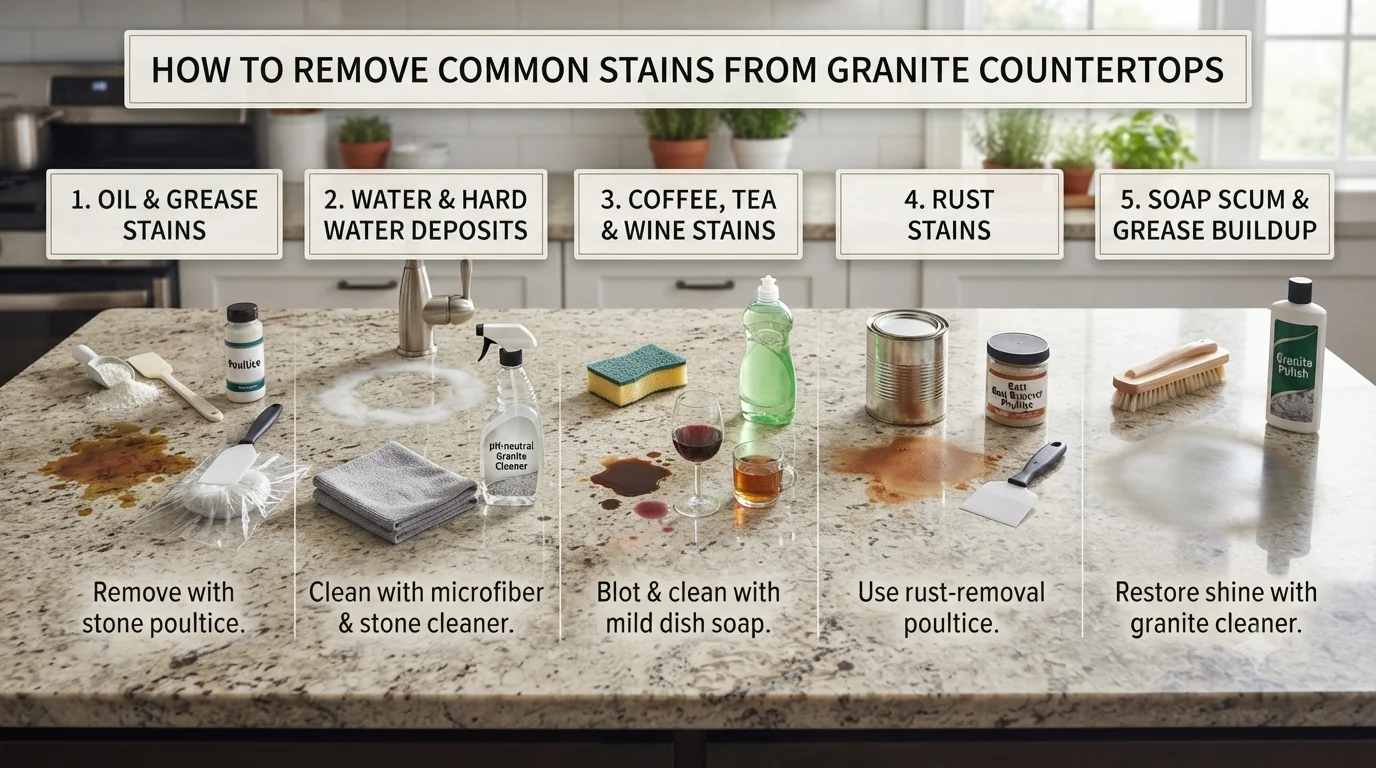
1. Oil and Grease Stains
Cooking oil, butter, salad dressing and greasy food can leave dark marks on granite.
Oil-based stains are particularly noticeable on lighter-colored granite because the affected area may appear darker than the surrounding stone.
How to remove them:
- Blot any fresh oil with a clean paper towel. Do not rub it into the surface.
- Use a commercially prepared stone poultice designed for oil stains, following its instructions.
- If using a DIY poultice, check with a stone-care professional first to confirm that its ingredients are suitable for your particular granite.
- Allow the poultice to work for the time specified by the manufacturer.
- Remove it as directed and clean the area using a pH-neutral stone cleaner.
- Allow the surface to dry completely before assessing the result.
A poultice works by drawing certain staining substances out of the stone as it dries.
For deep or old oil stains, more than one treatment may be necessary.
2. Water Stains and Hard Water Deposits
Water itself does not always stain granite. In many cases, the white marks or cloudy patches homeowners notice are mineral deposits left behind by hard water.
These deposits commonly develop around faucets, sinks and areas where water regularly evaporates.
How to remove them:
- Start with a microfiber cloth and a pH-neutral stone cleaner.
- If mineral deposits remain, use a granite-safe mineral deposit remover specifically approved for natural stone.
- Follow the manufacturer's instructions carefully.
- Do not scrape the surface with metal blades or use vinegar to dissolve the deposits.
If the mark remains after cleaning, it may be a change in the surface finish rather than a mineral deposit.
3. Coffee, Tea and Wine Stains
Coffee, tea and wine can leave colored marks on granite, especially if spills remain on the surface for an extended period.
These stains may contain organic coloring compounds.
How to remove them:
- Blot fresh spills immediately.
- Clean the area with mild dish soap and warm water.
- Rinse and dry the surface.
- For stains that have penetrated the stone, consider a stone-safe poultice formulated for organic stains.
Do not use household bleach or strong stain removers without checking their compatibility with your granite and sealer.
4. Rust Stains
Rust stains can develop when metal objects, cans, iron-containing materials or metal accessories remain in contact with a damp countertop.
Rust is one of the more difficult stains to remove because it can penetrate the stone.
How to remove them:
Use a rust-removal poultice specifically formulated for natural stone.
Avoid applying ordinary rust removers or acidic cleaning products. Some products designed for ceramic tiles can permanently damage natural stone.
For deep rust marks, professional treatment is the safer option.
5. Soap Scum and Grease Buildup
Soap residue and cooking grease can gradually create a cloudy appearance.
This does not necessarily mean that the granite has lost its polish.
Clean the surface using a pH-neutral granite cleaner, rinse thoroughly and dry with a microfiber cloth.
If the cloudy appearance remains, the problem may involve sealer residue, mineral deposits or an issue with the finish. It is worth identifying the cause before applying another product.
Important: Never combine different cleaning chemicals in an attempt to remove a stain. Mixing household chemicals can create dangerous reactions.
How to Seal Granite Countertops and When to Reseal Them
Sealing is an important part of granite countertop maintenance, but it is also one of the most misunderstood aspects of natural stone care.
Granite is a naturally porous material, although its absorption rate varies considerably depending on its mineral composition, density and finish.
A penetrating or impregnating sealer helps reduce the rate at which liquids enter the stone. It provides additional time to clean up spills before they penetrate the surface.
However, a sealer does not make granite completely waterproof or stain-proof.
How to Check Whether Your Granite Countertop Needs Sealing
Before applying a new sealer, check whether the existing protection is still effective.
A simple water absorption test can help.
The water drop test:
- Make sure the countertop is clean and completely dry.
- Place a few small drops of water on different areas of the granite.
- Leave the water for approximately 15 minutes.
- Wipe away the water.
- Observe whether the stone beneath the drops has darkened.
If the granite becomes noticeably darker, water may be entering the stone, indicating that it could benefit from resealing.
If the water remains on the surface without darkening the stone, the existing protection may still be working.
Repeat the test in different locations because absorption can vary across the same slab.
Remember: This is a practical screening test, not a laboratory measurement. A surface treatment, residual moisture or the natural characteristics of the stone can affect the result.
How Often Should You Seal Granite Countertops?
There is no universal resealing schedule for every granite countertop.
Some dense granite varieties absorb very little moisture and may not require frequent sealing. Other varieties are more absorbent and may need more regular treatment.
The correct schedule depends on:
- The natural porosity of the granite.
- Whether the slab was previously sealed.
- The type and quality of the sealer.
- How frequently the countertop is used.
- Exposure to water, oil and food spills.
- The manufacturer's maintenance recommendations.
Rather than automatically resealing every year, use the water absorption test and follow the recommendations provided by your stone fabricator or sealer manufacturer.
Applying sealer too frequently can cause residue buildup, streaking or a hazy appearance.
How to Seal Granite Countertops Correctly
If your granite requires sealing, follow these steps.
Step 1: Clean the Countertop
Remove grease, dirt, soap residue and other contaminants using a suitable stone cleaner.
The surface must be completely clean before sealing.
Step 2: Allow the Granite to Dry
Moisture trapped beneath a sealer can interfere with proper application.
Allow the countertop to dry according to the sealer manufacturer's instructions.
Step 3: Choose the Correct Sealer
Use a penetrating sealer specifically designed for granite and compatible with the particular stone.
Check the product instructions, coverage and recommended application method.
Step 4: Apply the Sealer Evenly
Spread the sealer over the countertop using the recommended applicator.
Follow the manufacturer's instructions for the amount to apply and the required dwell time.
Do not allow excess product to dry on the surface unless the product instructions specifically permit it.
Step 5: Remove Excess Sealer
Buff away any remaining product with a clean, dry microfiber cloth.
Leaving excess sealer on the surface can create a cloudy or sticky appearance.
Step 6: Allow the Sealer to Cure
Follow the manufacturer's specified curing time before using the countertop or exposing it to water.
Some sealers require additional time beyond the initial application.
Does Every Granite Countertop Need Sealing?
No. Not every granite variety requires the same level of sealing.
Some dense stones have very low absorption rates. Certain granite products may already have been treated during fabrication or installation.
This is why it is important to understand the exact material and any treatments it has received before applying another sealer.
At Cosmosurfaces, we recommend treating natural stone according to its individual characteristics rather than following a one-size-fits-all maintenance schedule.
What Can Damage Granite Countertops? 7 Things to Avoid
Granite is one of the most durable choices for kitchen countertops, but certain habits can gradually affect its appearance and performance.
Knowing what to avoid is just as important as knowing how to clean granite.
1. Acidic Cleaning Products
Vinegar, lemon juice and acidic bathroom cleaners should not be used as routine granite cleaners.
Although granite is more acid-resistant than marble, mineral variations and surface treatments can make certain areas more vulnerable.
Use a pH-neutral stone cleaner instead.
2. Abrasive Scrubbers and Cleaning Powders
Steel wool, rough scouring pads and abrasive powders can dull polished surfaces.
Use microfiber cloths and non-abrasive cleaning tools for everyday maintenance.
3. Leaving Spills for Too Long
Wine, coffee, cooking oil, fruit juice and sauces should be cleaned promptly.
A properly sealed countertop offers additional protection, but leaving spills unattended increases the chance of staining.
4. Placing Hot Cookware Directly on the Surface
Granite has good heat resistance, which makes it suitable for kitchen environments.
However, sudden temperature changes can create thermal stress. A hot pan placed on a cold or damp section of stone may contribute to thermal shock, particularly if the slab contains existing weaknesses.
Use trivets and heat-resistant mats rather than placing extremely hot cookware directly on the countertop.
5. Cutting Directly on Granite
Granite is harder than most kitchen knife blades, but using the countertop as a cutting board is not a good idea.
It can damage knife edges, create unnecessary surface wear and expose the stone to food residue.
Always use a proper cutting board.
6. Ignoring Water Around Sink Areas
Water can accumulate around faucet bases, sink edges and joints.
Over time, moisture can affect sealant, adhesives, cabinetry and surrounding materials.
Wipe these areas regularly and inspect the joints for gaps or deterioration.
7. Using Unverified DIY Cleaning Recipes
Not every homemade cleaning solution is suitable for natural stone.
Combining vinegar, lemon juice, bleach, ammonia or abrasive powders can create additional problems.
Use cleaning products specifically approved for granite instead of experimenting with multiple household ingredients.
How to Prevent Chips and Cracks in Granite Countertops
Granite is strong, but it is not indestructible.
Chips and cracks can occur due to impact, structural movement, inadequate support, fabrication issues or stress around cutouts.
The areas around sinks, cooktops, edges and overhangs deserve particular attention.
What Causes Granite Countertops to Chip?
Common causes include:
- Heavy cookware hitting exposed edges.
- Accidental impact from hard objects.
- Thin or unsupported countertop overhangs.
- Weak areas around sink and cooktop cutouts.
- Improper handling during installation.
- Existing natural weaknesses in the slab.
To reduce the risk of chipping, avoid dropping heavy objects on the countertop and do not put excessive weight on unsupported overhangs.
How to Repair a Small Chip in Granite
A small chip along an exposed edge may be repairable using a professional stone repair epoxy or color-matched resin.
The repair process generally involves:
- Cleaning the damaged area.
- Preparing the chipped section.
- Applying a suitable color-matched repair material.
- Allowing the material to cure.
- Finishing and polishing the repaired area.
The challenge is matching the original granite's color, pattern and finish.
A poorly matched DIY repair can become more noticeable than the original chip.
For visible edges, complex patterns or larger damage, professional repair is recommended.
What Should You Do If Your Granite Countertop Cracks?
A crack should never be treated as an ordinary surface stain.
First, determine whether it is a natural fissure, a surface crack or a structural fracture.
Natural granite can contain mineral lines and fissures that form part of its appearance. These are not automatically signs of damage.
However, a new crack, a widening line or a crack extending from a sink or cooktop cutout should be inspected by a stone professional.
Do not attempt to fill a structural crack without understanding its cause. If the underlying support problem remains, the damage may return.
Granite Countertop Maintenance Around Sinks, Cooktops and Backsplashes
A countertop does not experience the same conditions everywhere.
Certain areas collect more moisture, heat, grease and cleaning residue than others.
Paying attention to these locations can help prevent problems that are often overlooked during routine cleaning.
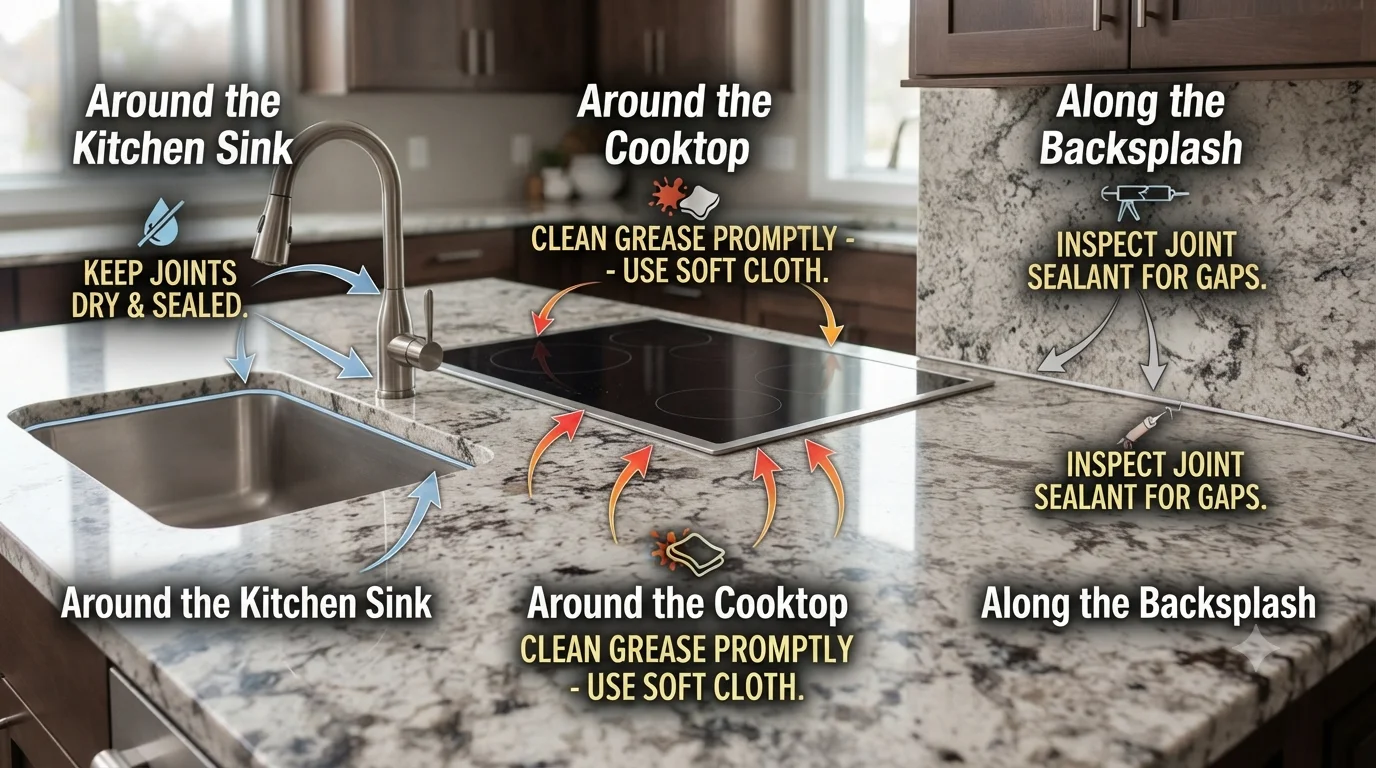
Around the Kitchen Sink
The sink area experiences frequent water exposure.
Keep the countertop dry around the faucet, sink rim and joints. Check the silicone sealant for gaps, peeling or deterioration.
If water repeatedly enters the joints, address the sealing issue instead of relying only on countertop cleaning.
Around the Cooktop
Cooking areas collect oil splashes, food particles and heat.
Clean grease promptly using a granite-safe cleaner. Use a soft cloth rather than abrasive scrubbers.
Avoid allowing grease to accumulate along the cooktop edges.
Along the Backsplash
Food splashes and moisture can collect where the countertop meets the backsplash.
Clean these areas regularly and inspect the joint for cracks or gaps.
The joint sealant is particularly important because water entering behind the countertop can affect surrounding cabinetry and walls.
How to Maintain Granite Countertops Based on Their Finish
Granite countertops are available in different finishes, and each has slightly different maintenance requirements.
Polished Granite
Polished granite has a smooth, reflective surface.
It is generally easier to wipe clean because its smooth finish does not retain dirt as readily as more textured finishes.
Use a pH-neutral cleaner and a microfiber cloth to maintain its shine.
Avoid abrasive products that can dull the polished appearance.
Honed Granite
Honed granite has a smooth but matte or low-sheen appearance.
Because it does not reflect light in the same way as polished granite, fingerprints, oil marks and certain stains may be more noticeable.
Clean spills promptly and dry the surface after cleaning.
Leathered Granite
Leathered granite has a textured finish that creates a more natural, tactile appearance.
Its surface texture can retain crumbs, grease and dust more easily than polished granite.
Use a soft brush or microfiber cloth to clean textured areas thoroughly.
Follow the stone supplier's recommendations for sealing and maintenance because treatment requirements vary with the stone.
How to Keep Granite Countertops Looking New for Years
Long-term granite maintenance does not require complicated routines. Consistency matters more than using expensive products.
Here is a simple maintenance schedule you can follow.
A few additional habits can make a noticeable difference:
- Use coasters under beverages that may leave stains.
- Keep cutting boards readily available.
- Use trivets for hot cookware.
- Clean spills as soon as possible.
- Avoid leaving metal containers on wet surfaces.
- Never use the countertop as a step or support surface.
- Keep the manufacturer's care instructions for future reference.
When Should You Call a Professional for Granite Countertop Care?
Regular cleaning and basic maintenance can be handled at home. However, some issues require professional attention.
Consider contacting a stone-care professional if you notice:
- Deep oil or rust stains that do not respond to suitable cleaning methods.
- Persistent cloudy patches or uneven shine.
- Chips along exposed edges.
- Cracks near sinks or cooktop cutouts.
- Sealer residue that does not come off with approved cleaning.
- Mineral deposits that cannot be safely removed.
- Water absorption despite repeated sealing attempts.
Professional stone care may involve stain treatment, polishing, honing, edge repair, crack repair or appropriate sealing.
It is important to identify the underlying problem before choosing a treatment. Applying more sealer, for example, will not repair a damaged polish or correct a structural crack.
At Cosmosurfaces, we believe that selecting the right natural stone and understanding its maintenance requirements go hand in hand.
If you are planning a kitchen renovation or considering a new natural stone surface, choosing the right granite for your intended application is an important first step.
Frequently Asked Questions About Cleaning Granite Countertops
1. What is the best way to clean granite countertops every day?
Use warm water with a small amount of mild dish soap or a pH-neutral granite cleaner. Wipe the surface with a microfiber cloth, rinse away residue with clean water and dry thoroughly.
2. What should you never use on granite countertops?
Avoid vinegar, lemon juice, acidic bathroom cleaners, abrasive powders, steel wool and unapproved chemical cleaners. These products may affect the stone, protective sealer or polished finish.
3. Can I clean granite countertops with just water?
Yes. Warm water is suitable for removing light dust and everyday surface dirt. For grease, food residue and stubborn marks, use a small amount of mild dish soap or a pH-neutral stone cleaner.
4. How do I make granite countertops shine again?
First, clean the surface with a suitable granite cleaner and dry it with a microfiber cloth.
If the countertop still looks dull, the cause may be soap buildup, mineral deposits, sealer residue or surface wear. Identify the cause before attempting polishing or applying additional products.
5. How often should granite countertops be sealed?
It depends on the granite's porosity, previous treatment and the type of sealer used. Perform a water absorption test and follow the stone fabricator's and sealer manufacturer's recommendations instead of automatically resealing every year.
6. Does granite need sealing if water beads on the surface?
Water beading can indicate that a protective treatment is present, but it is not a complete measure of sealing performance. Check whether the stone darkens when water sits on it and follow the manufacturer's testing recommendations.
7. How do you remove oil stains from granite?
Blot fresh oil immediately. For stains that have penetrated the stone, use a poultice formulated for oil stains and suitable for granite. Deep stains may require repeated treatment or professional assistance.
8. Can baking soda remove stains from granite?
Baking soda can be used as an ingredient in certain stone-compatible poultices, but rubbing it directly onto granite is not recommended. Use a suitable poultice formulation and follow the product instructions.
9. Can granite countertops get scratched?
Granite is highly scratch-resistant, but it is not impossible to damage. Abrasive materials, hard impacts and certain mineral variations can affect the surface. Always use cutting boards and avoid abrasive cleaning tools.
10. Can you put hot pans directly on granite countertops?
Granite has good heat resistance, but sudden temperature changes can cause thermal stress. Using trivets is the safer approach and helps protect the countertop from accidental damage.
11. Why does my granite countertop look cloudy?
Cloudiness can result from soap buildup, mineral deposits, sealer residue or surface damage. Clean the area with a suitable stone cleaner first. If the appearance remains, have the finish assessed before applying additional products.
12. How do you remove white marks from granite countertops?
White marks may be hard-water mineral deposits, cleaning residue or surface damage. Use a granite-safe cleaner first. If the marks remain, identify their cause before using a specialized removal treatment.
13. What is the difference between granite cleaning and granite sealing?
Cleaning removes surface dirt, grease and residue. Sealing applies a protective treatment that reduces liquid absorption into porous stone. Cleaning should be part of regular maintenance, while sealing is performed only when the stone requires it.
14. Can granite countertops be repaired if they crack or chip?
Yes. Small chips can often be repaired using color-matched stone epoxy or resin. Cracks require further assessment to determine whether they are cosmetic or structural. Professional repair is recommended for visible or extensive damage.
Final Thoughts: The Right Care Keeps Granite Beautiful
Granite countertops are a long-term investment, and proper maintenance helps preserve their natural appearance.
The most important thing to remember is that granite does not need harsh chemicals or complicated cleaning routines. A mild cleaning solution, a microfiber cloth and prompt attention to spills are enough for most daily maintenance.
Pay attention to the areas around sinks and cooktops, avoid acidic and abrasive products, and check whether your granite needs sealing instead of following an arbitrary schedule.
Most importantly, understand that every granite slab has its own characteristics. Its porosity, mineral composition, finish and previous treatment all influence the care it requires.
At Cosmosurfaces, we believe that beautiful natural stone deserves the right selection, installation and maintenance. Whether you are maintaining an existing countertop or planning a new project, choosing the right granite and understanding its care requirements will help you enjoy its natural beauty for years.
Looking for natural stone surfaces for your next project? Explore the granite collection at Cosmosurfaces and find a surface that complements your design and functional requirements.