.webp)


.jpg)
.JPG)





.jpg)
.jpg)














.JPG)
.JPG)


.jpg)
.jpg)
.jpg)







.jpg)

.jpg)








Find out how much granite countertops cost in 2026, including material, fabrication, installation, slab selection, thickness, edges, and cutouts. This guide covers the factors that affect your final quote, compares granite with quartz, and gives homeowners practical pricing information to set a realistic budget and choose the right countertop for their kitchen.
Search "granite countertop cost" and you will land on the same number over and over: $40 to $60 per square foot. Then a fabricator sends you an actual quote and the total does not match that math at all. That gap is not a mistake, and it is not a sales tactic. It happens because most pricing pages online quote the material cost of one common slab color, not what a finished granite countertop costs once fabrication, cutouts, edge work, and installation get added on top.
We quote real kitchens on our showroom floor every week, standing next to buyers in front of the actual slab they are about to buy. So instead of one more generic price range with no context behind it, here is what granite countertops really cost in 2026, broken down the way a fabricator actually builds a quote, plus the line items that catch people off guard.
Average Granite Countertop Cost Per Square Foot in 2026
Here is the quick version before we get into why the numbers spread so wide.
Most homeowners land in the mid-range tier, with a typical full kitchen project running $2,000 to $6,000 once fabrication and installation are included, not just the raw slab.
The reason a $40 to $60 per square foot headline number never matches your quote is simple: that figure is almost always the material price for the most common colors, priced by the square foot with no labor attached. Once a fabricator templates your kitchen, cuts the slab, edges it, cuts holes for your sink and cooktop, and installs it, you are paying for a service, not just a piece of stone. That labor and fabrication work typically adds $10 to $50 per square foot on top of the material cost, and it is the part almost every "average cost" article buries or skips entirely.
What Actually Drives the Price of a Granite Countertop
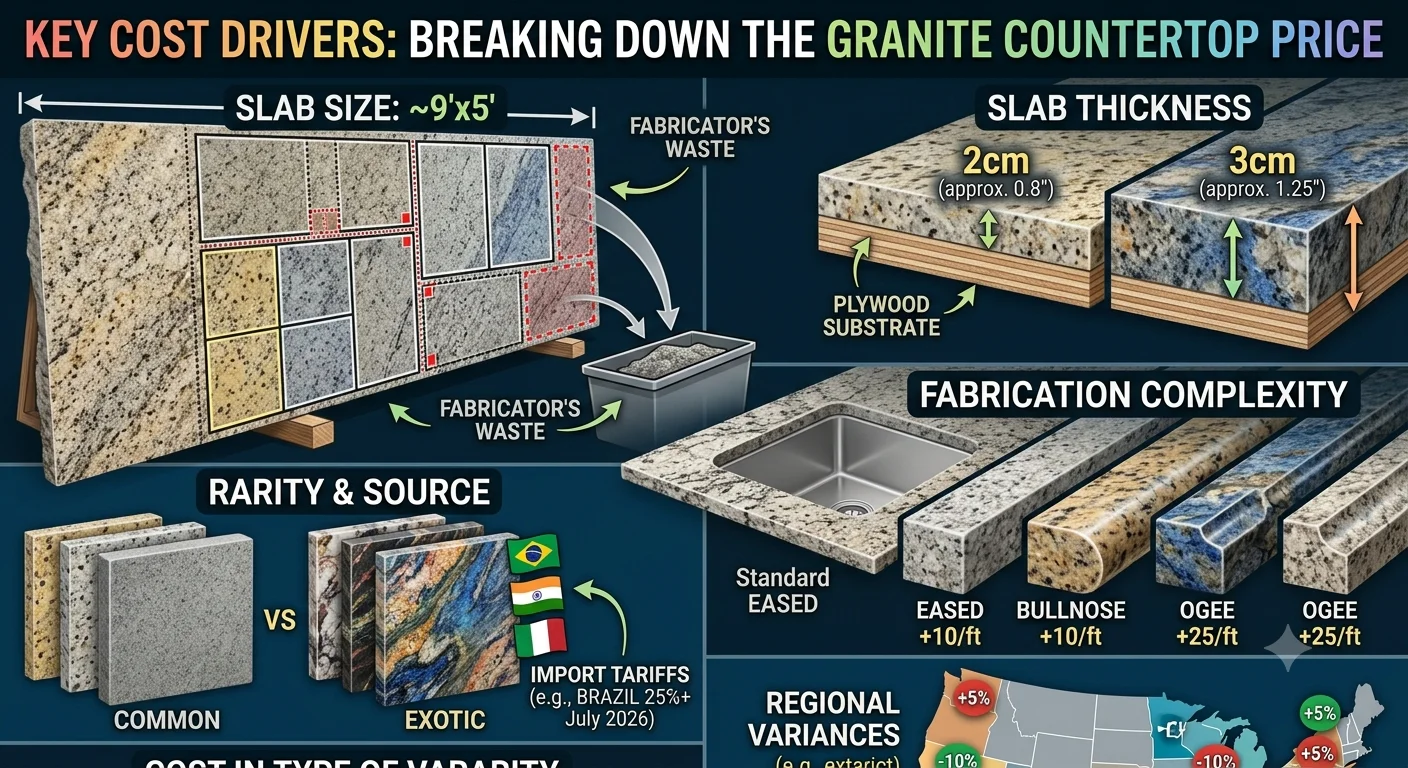
Slab size and how much of it goes to waste
A standard granite slab runs roughly 9 feet by 5 feet. Your kitchen layout rarely uses that whole slab cleanly. Fabricators typically add 10 to 15 percent to your square footage for waste, seam positioning, and grain matching, and if your kitchen needs more counter run than one slab can cover, you are buying a second slab and paying for an extra seam. This is one reason two kitchens of the exact same square footage can price differently: layout and seam count matter as much as raw area.
Rarity and where the stone comes from
Common colors like whites, blacks, and grays that get quarried in high volume price at the low end because supply is steady and predictable. Bold, rare veining or unusual color combinations, often from a small number of quarries in Brazil, India, or Italy, cost more simply because fewer blocks come out of the ground each year. Brazil is worth a specific note here: an additional 25 percent U.S. tariff on Brazilian granite, marble, and slate took effect July 22, 2026 (quartzite was carved out and stayed exempt), stacking on top of an existing broader tariff already in place on Brazilian goods. If you are set on an imported Brazilian granite slab, ask your distributor whether the price you are seeing already reflects that increase.
Slab thickness
Most kitchen granite today is cut at 3 centimeters (about 1.25 inches), which usually stands on its own without extra backing. A 2 centimeter slab costs less in raw material, but depending on your cabinetry, overhang, and edge style, it may need a plywood substrate or extra support for a comparable result, which can offset some of the savings once that labor is added. Thicker or laminated edge details add both material and fabrication time.
Fabrication complexity: edges, cutouts, and seams
A standard eased edge is included in most base quotes. Upgraded edge profiles like bullnose or ogee typically run $10 to $30 per linear foot on top of that. Sink and cooktop cutouts usually run $100 to $400 each depending on the sink type. Our edge profile guide breaks down which profiles cost more and why, if you want to see the full range before you pick one.
Labor rates where you live
Regional labor markets shift pricing by roughly 5 to 15 percent in either direction. Urban markets and areas with fewer fabricators tend to run higher, while markets with more competition among installers tend to land closer to the national average.
Entry-Level, Mid-Range, and Exotic Granite Compared
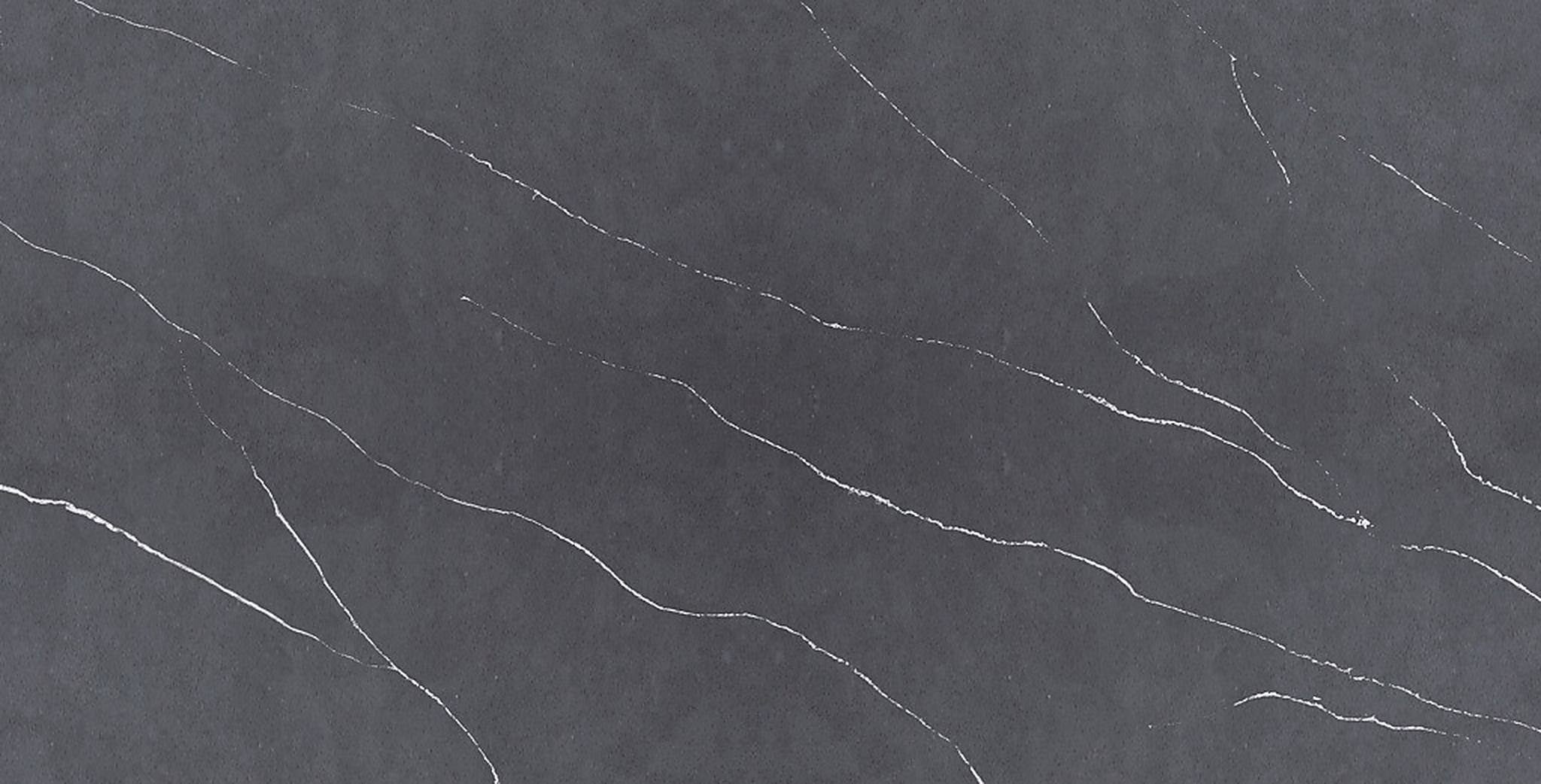
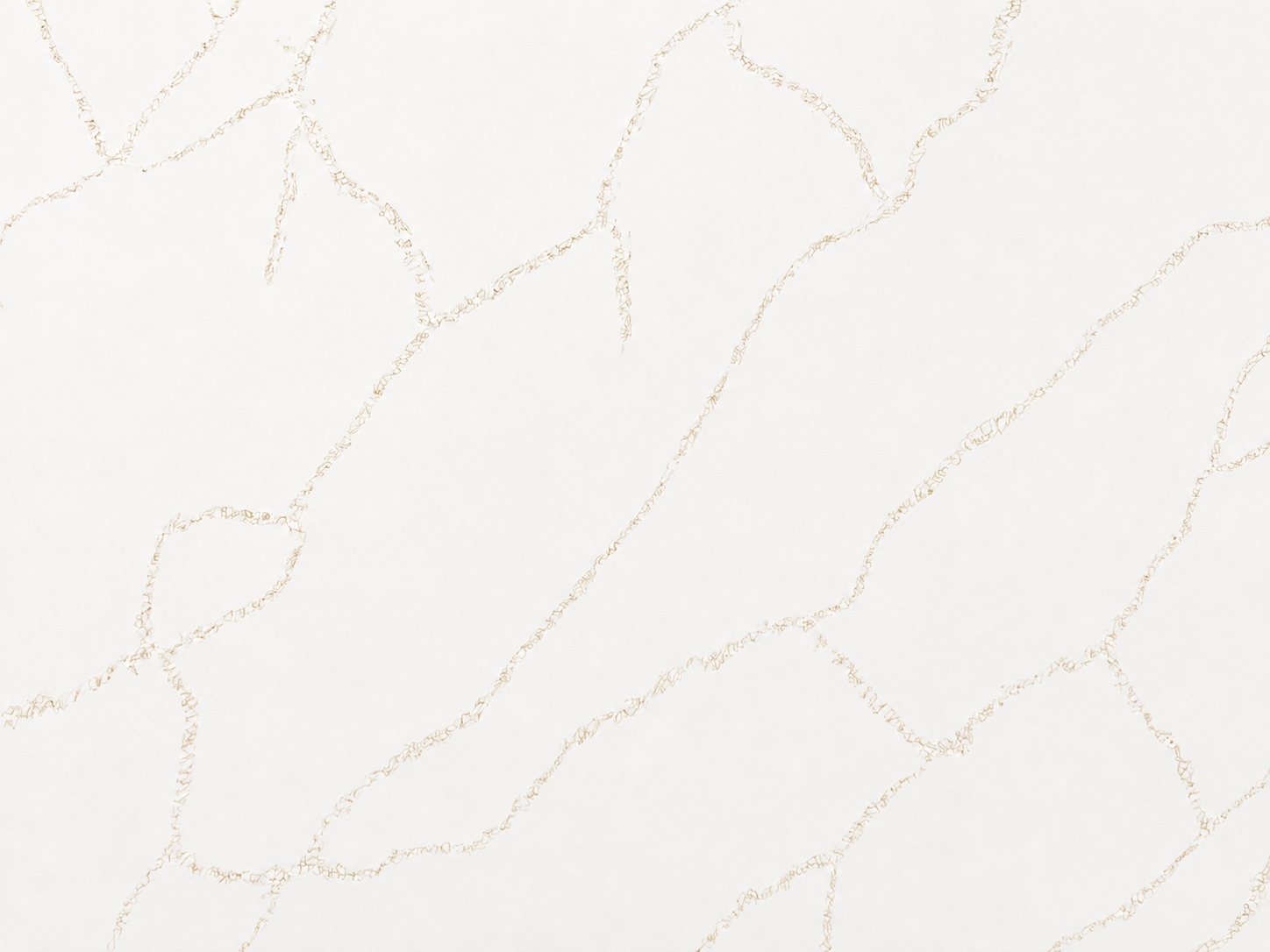
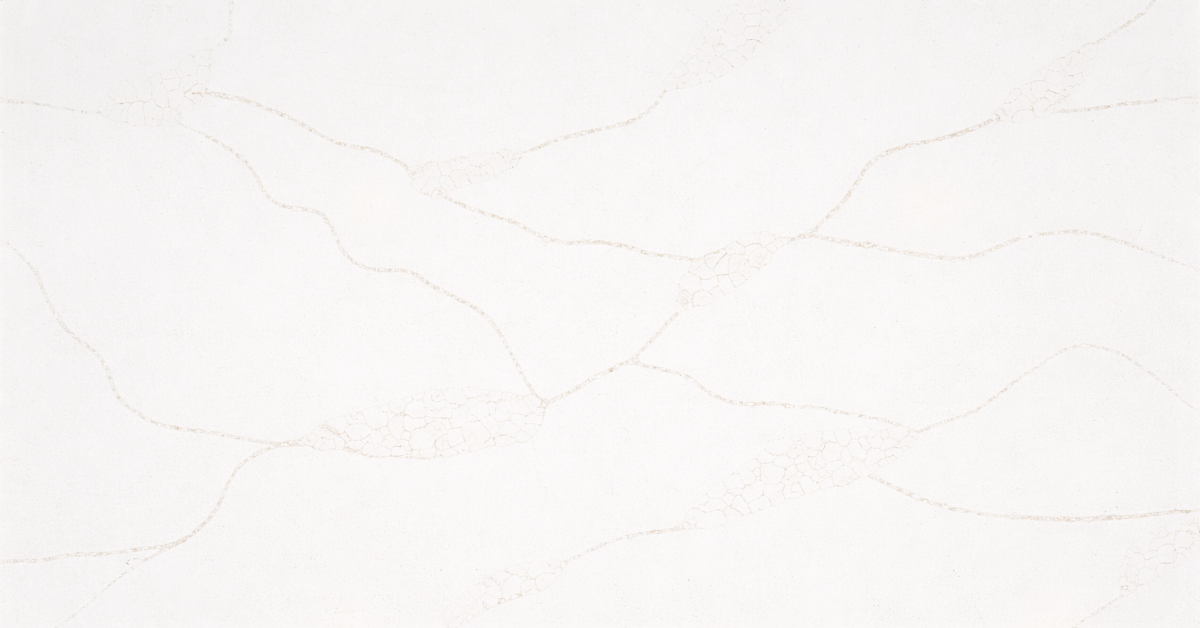
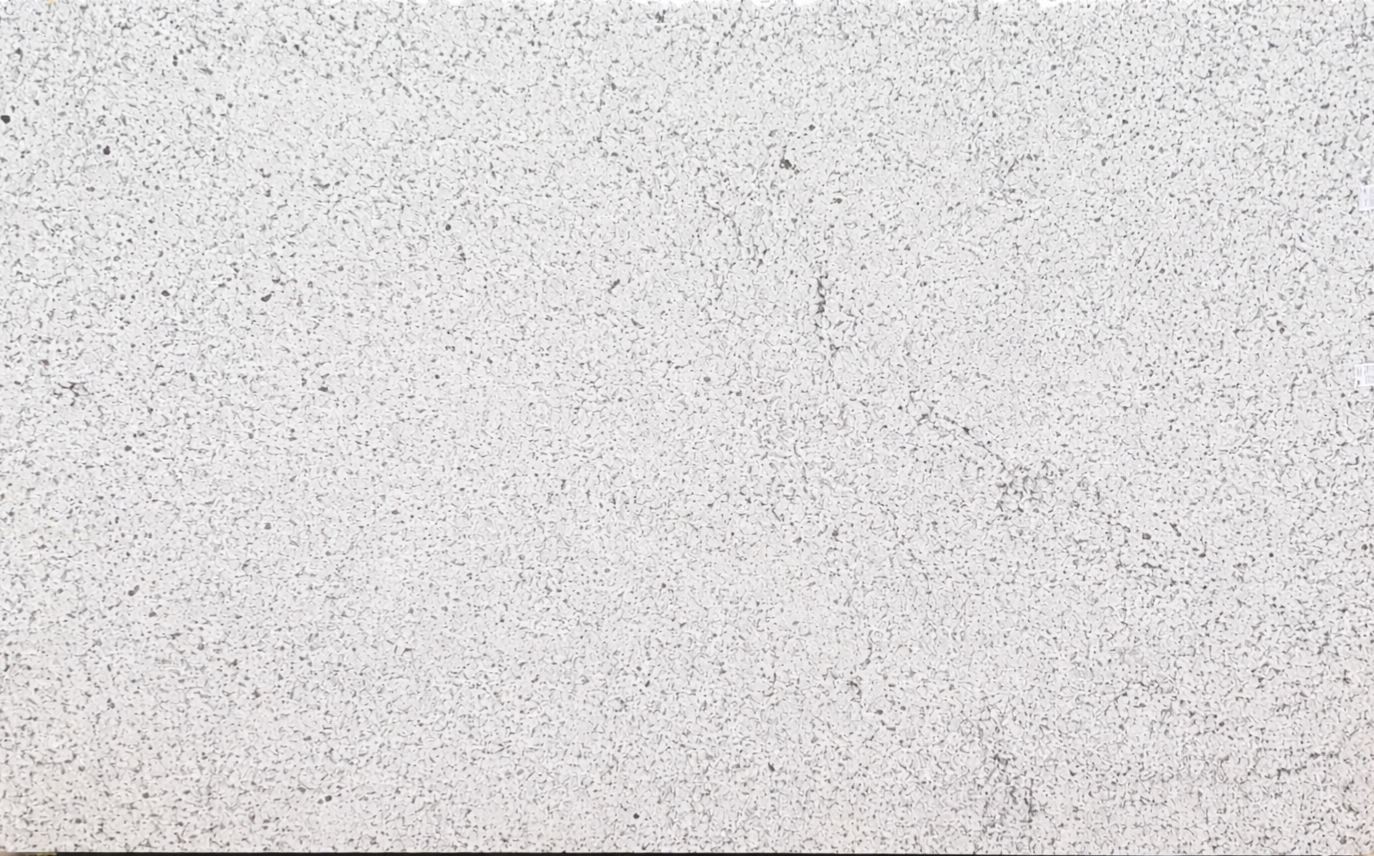
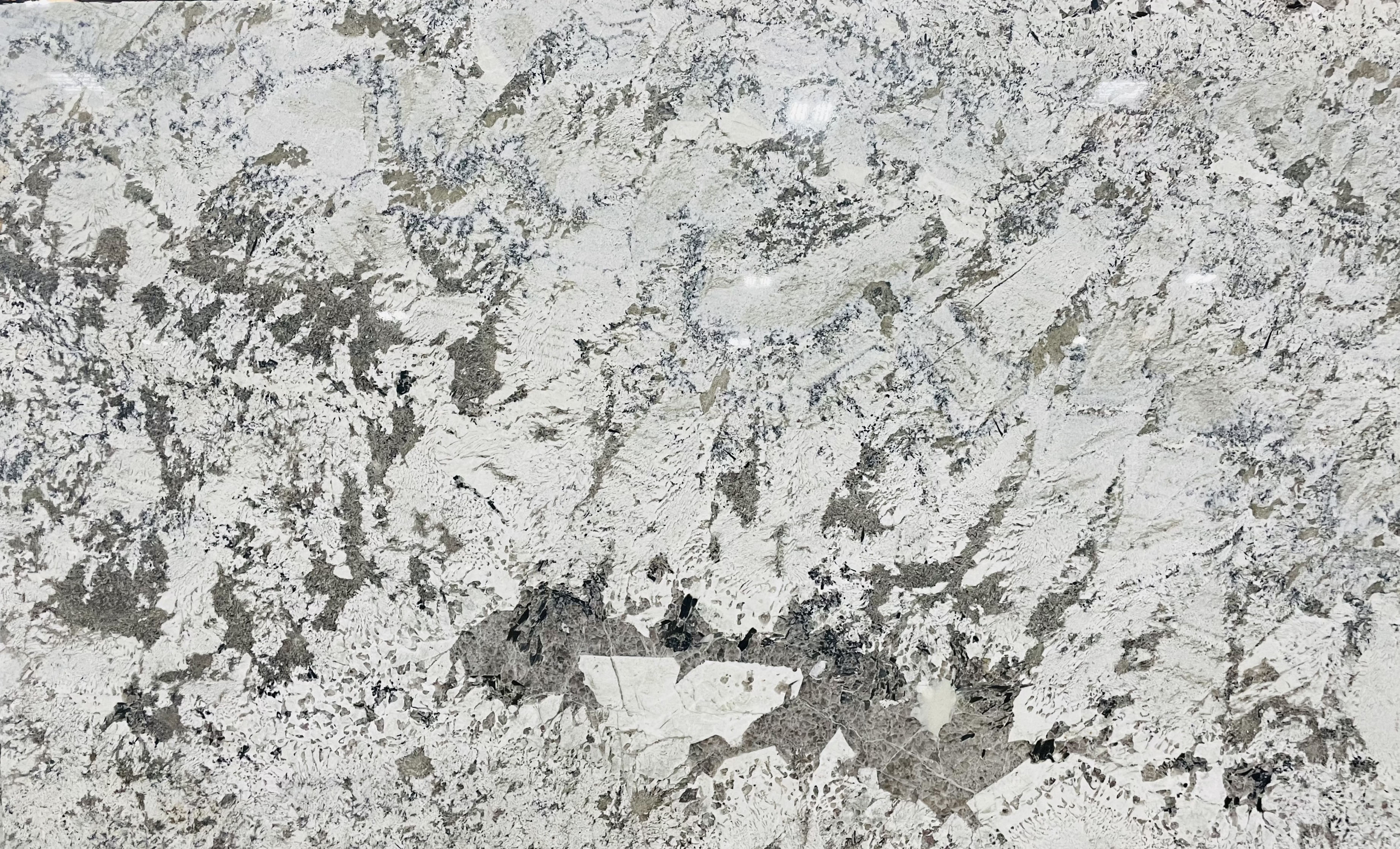
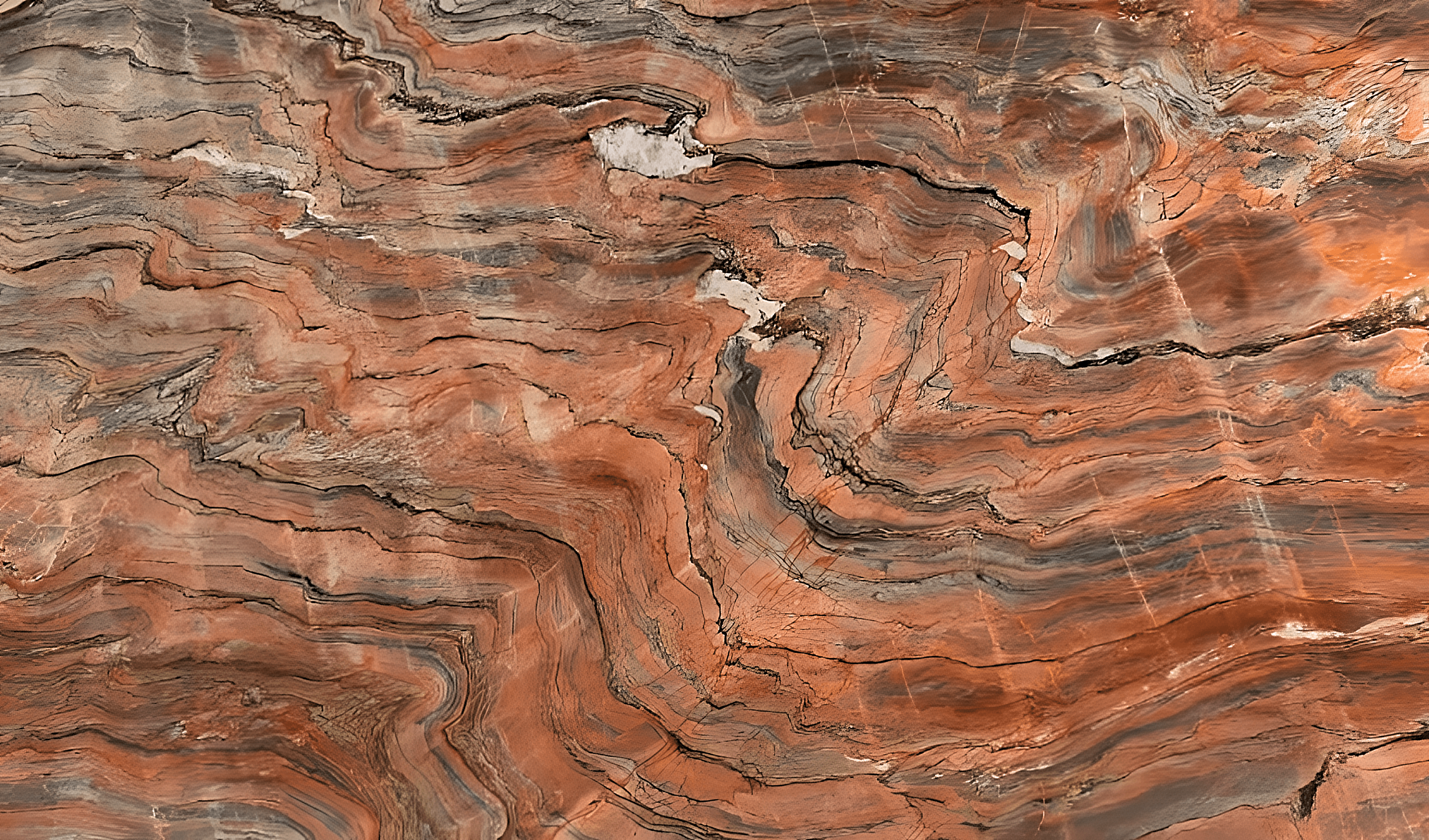
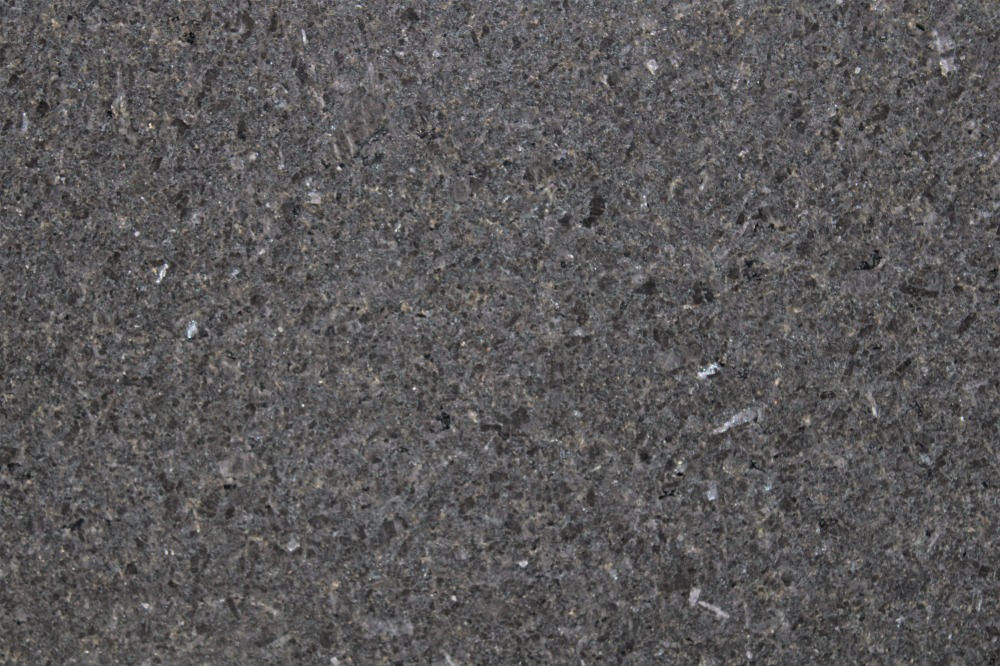
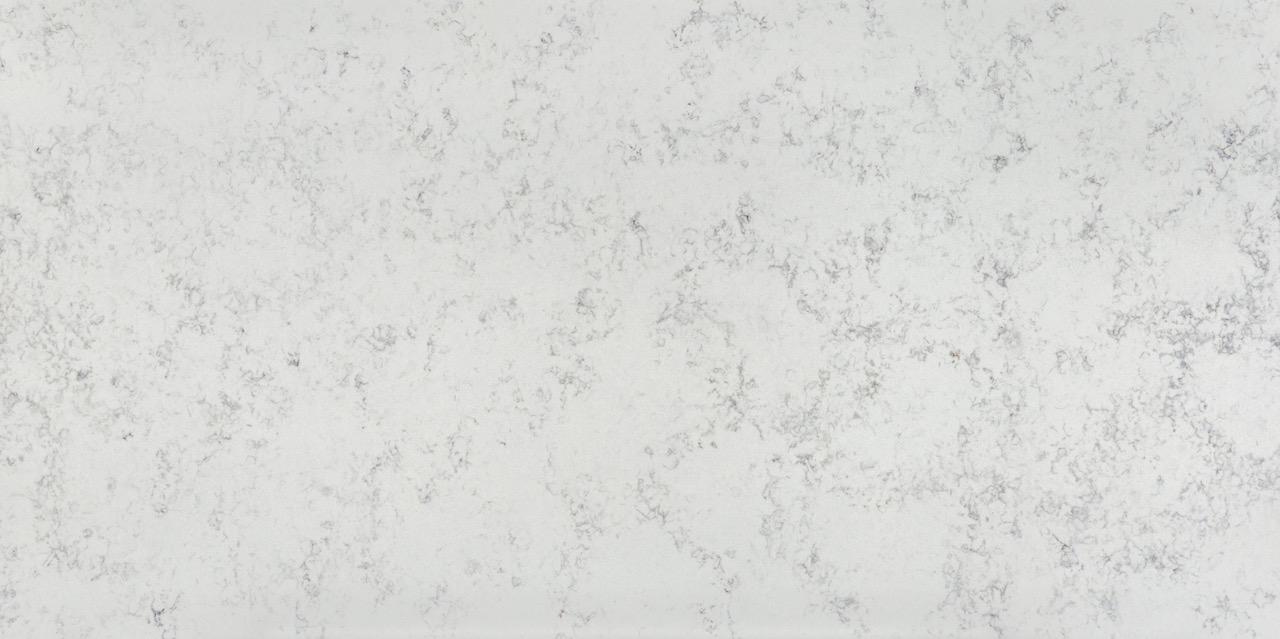
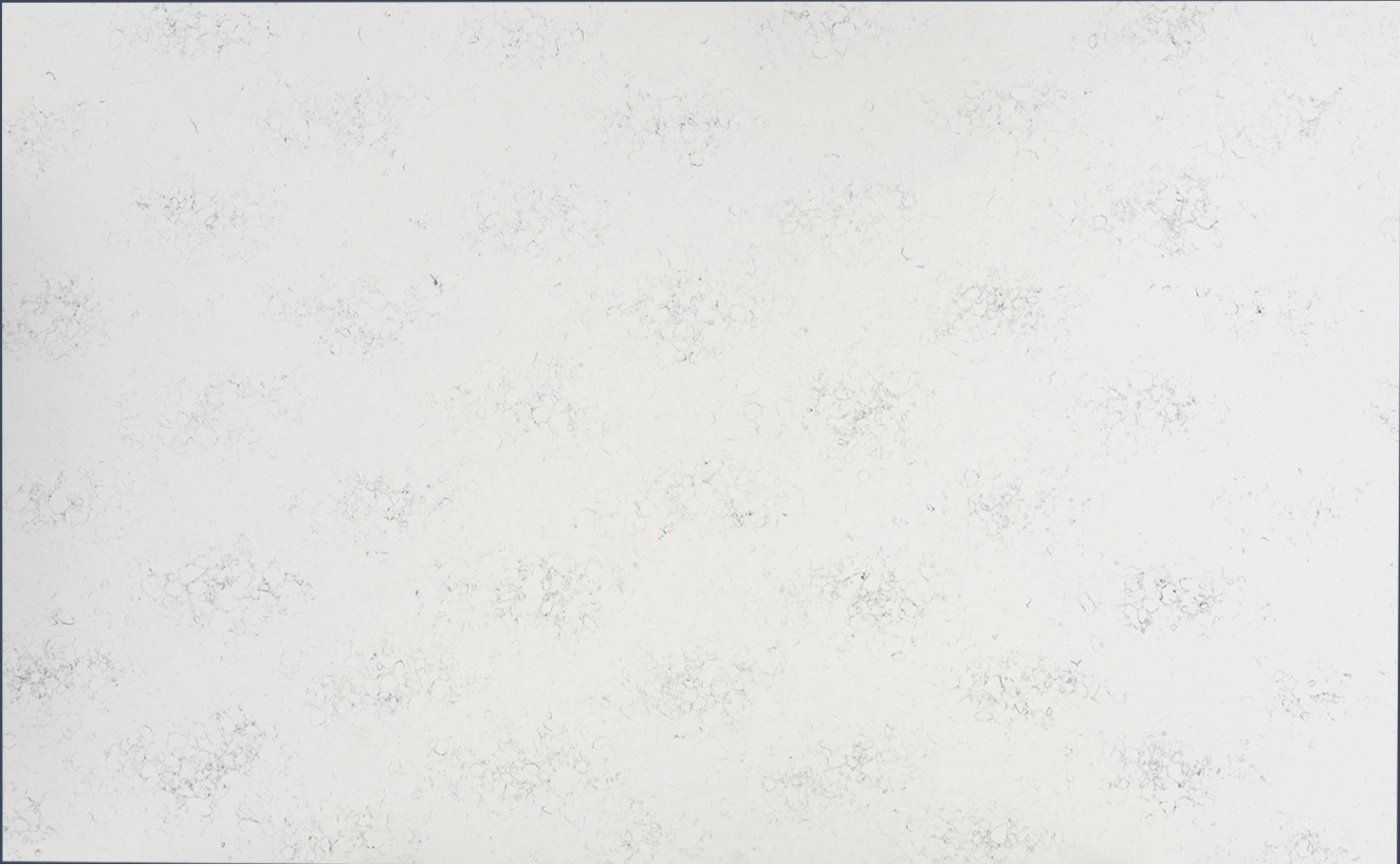
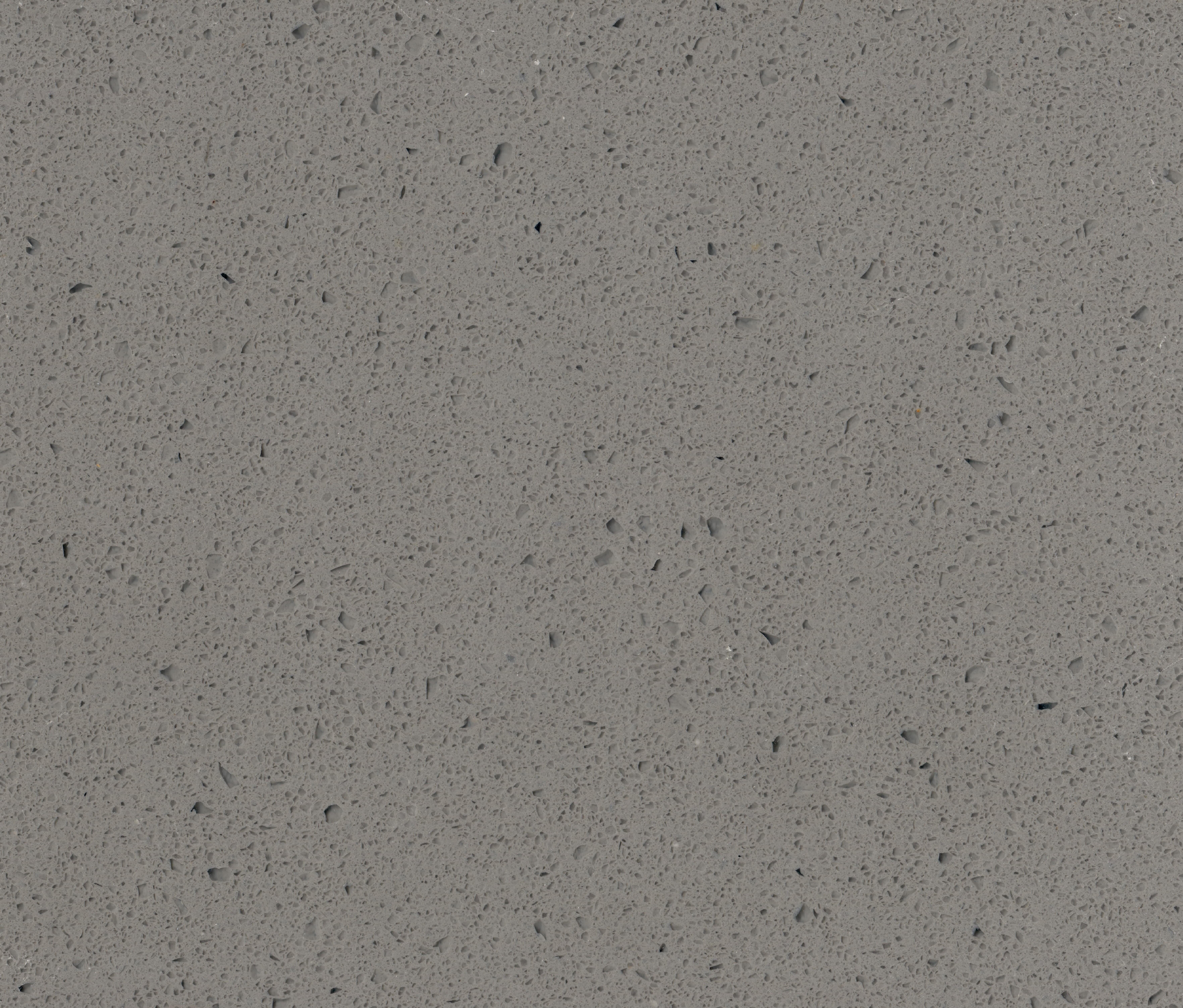
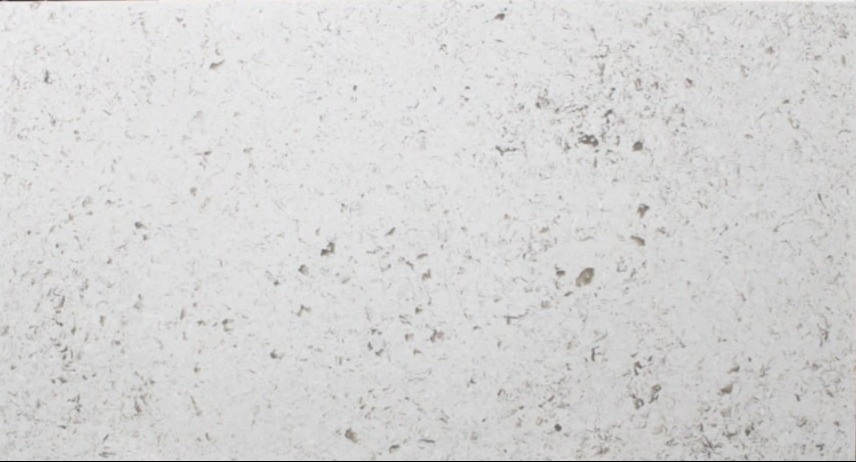
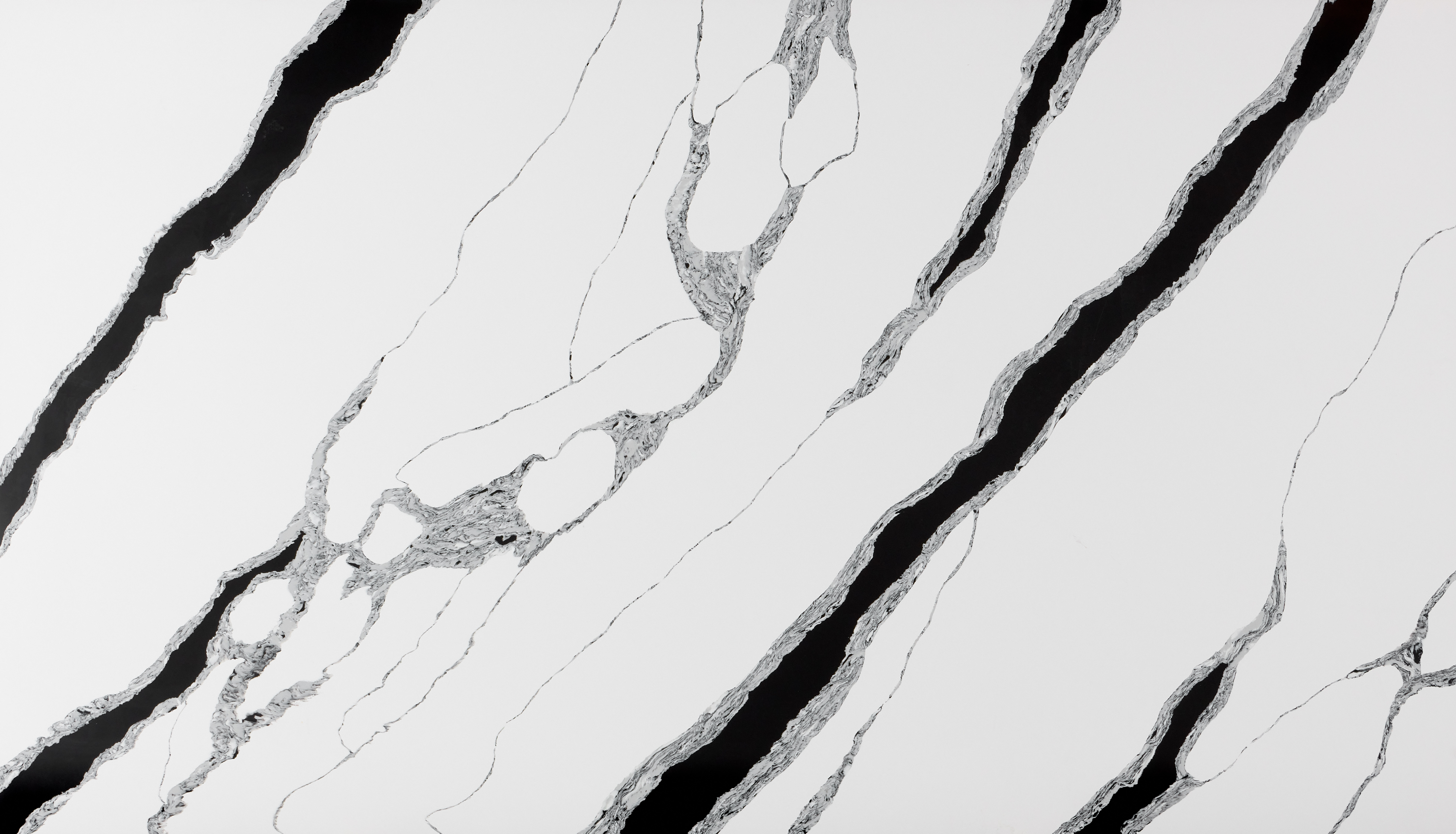
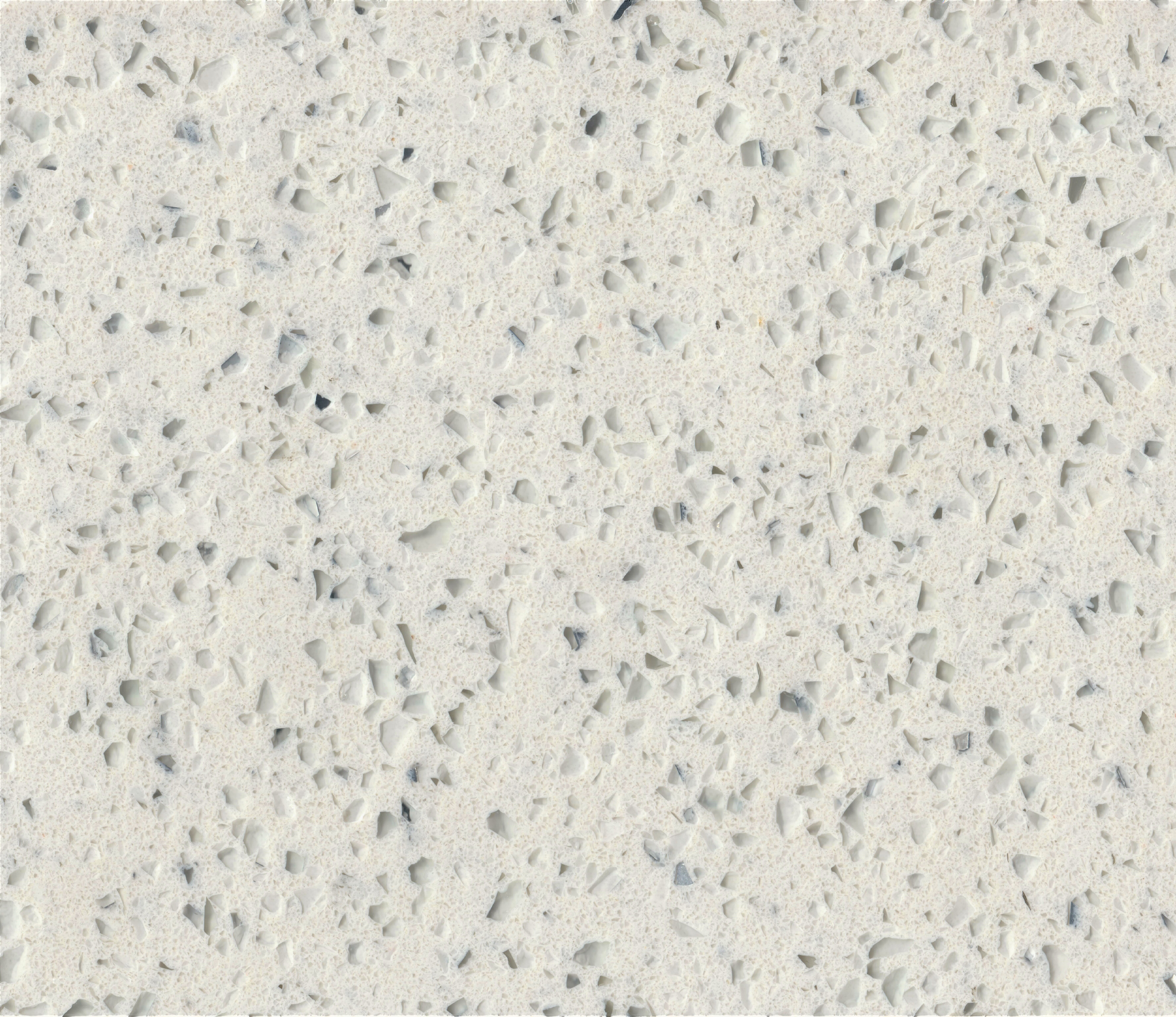
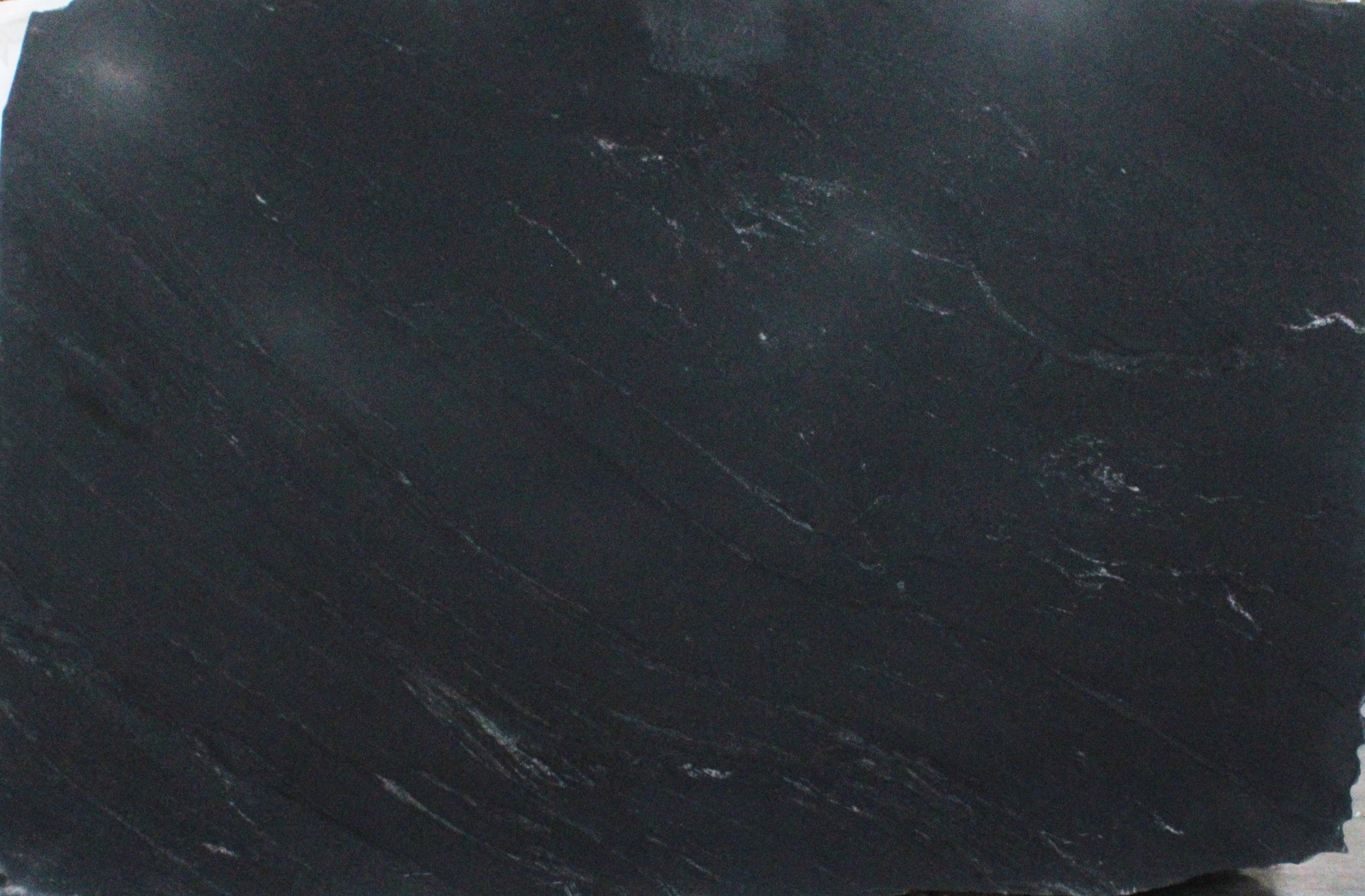
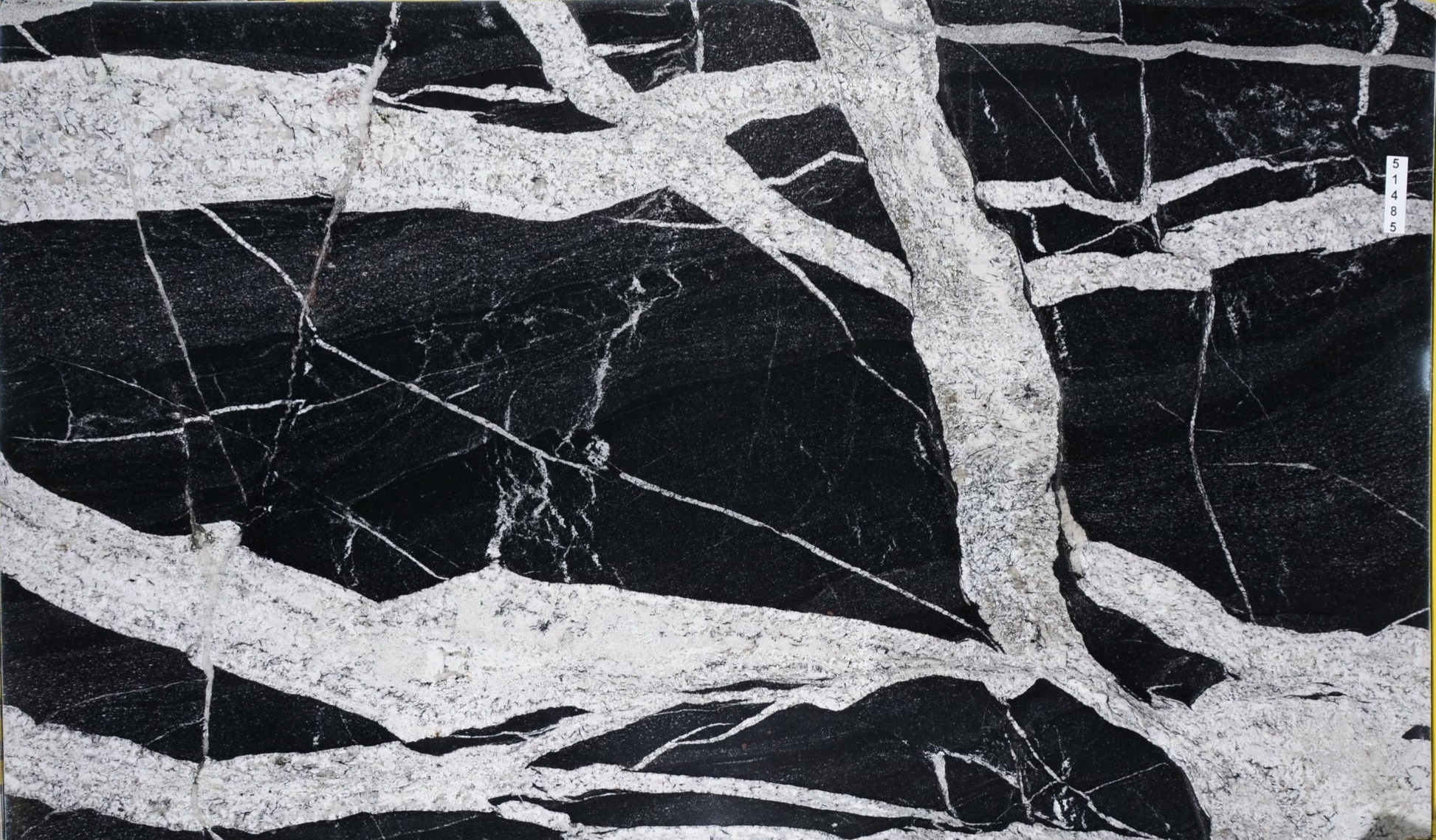
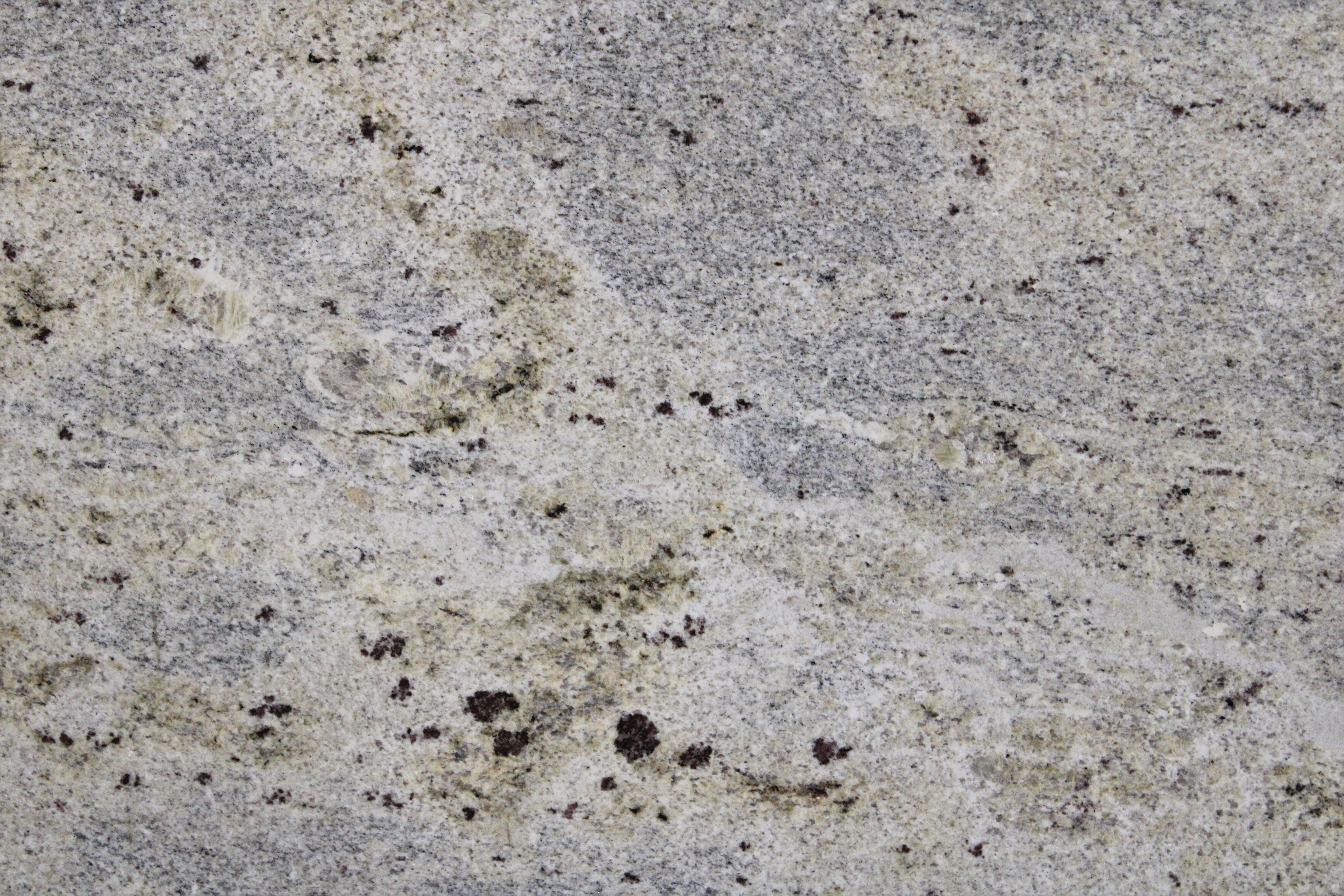
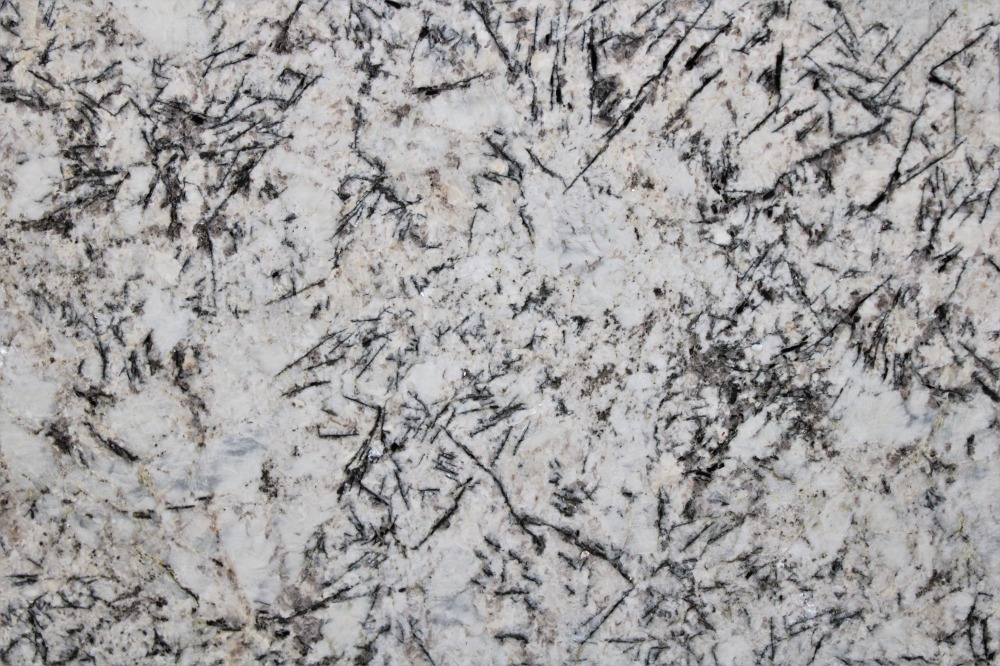
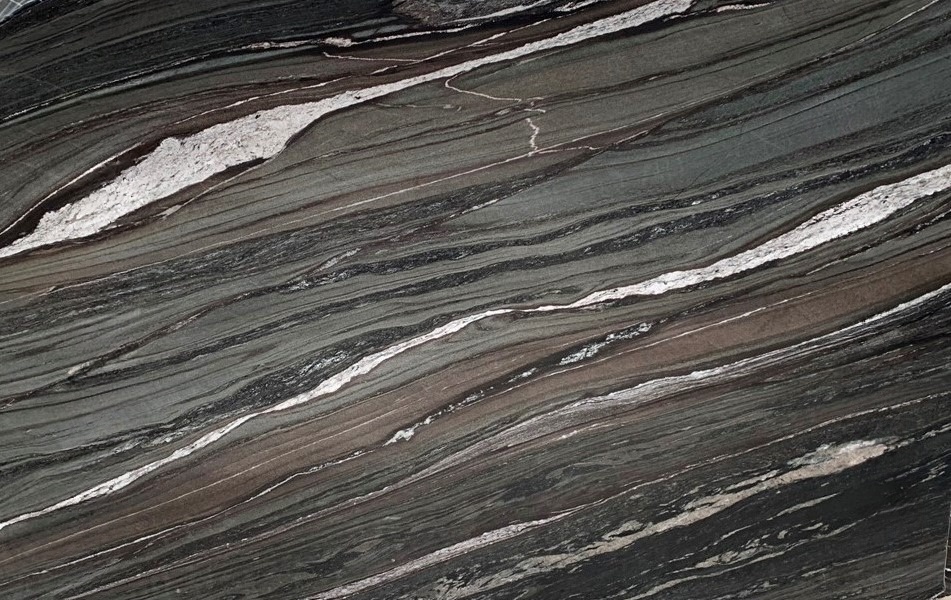
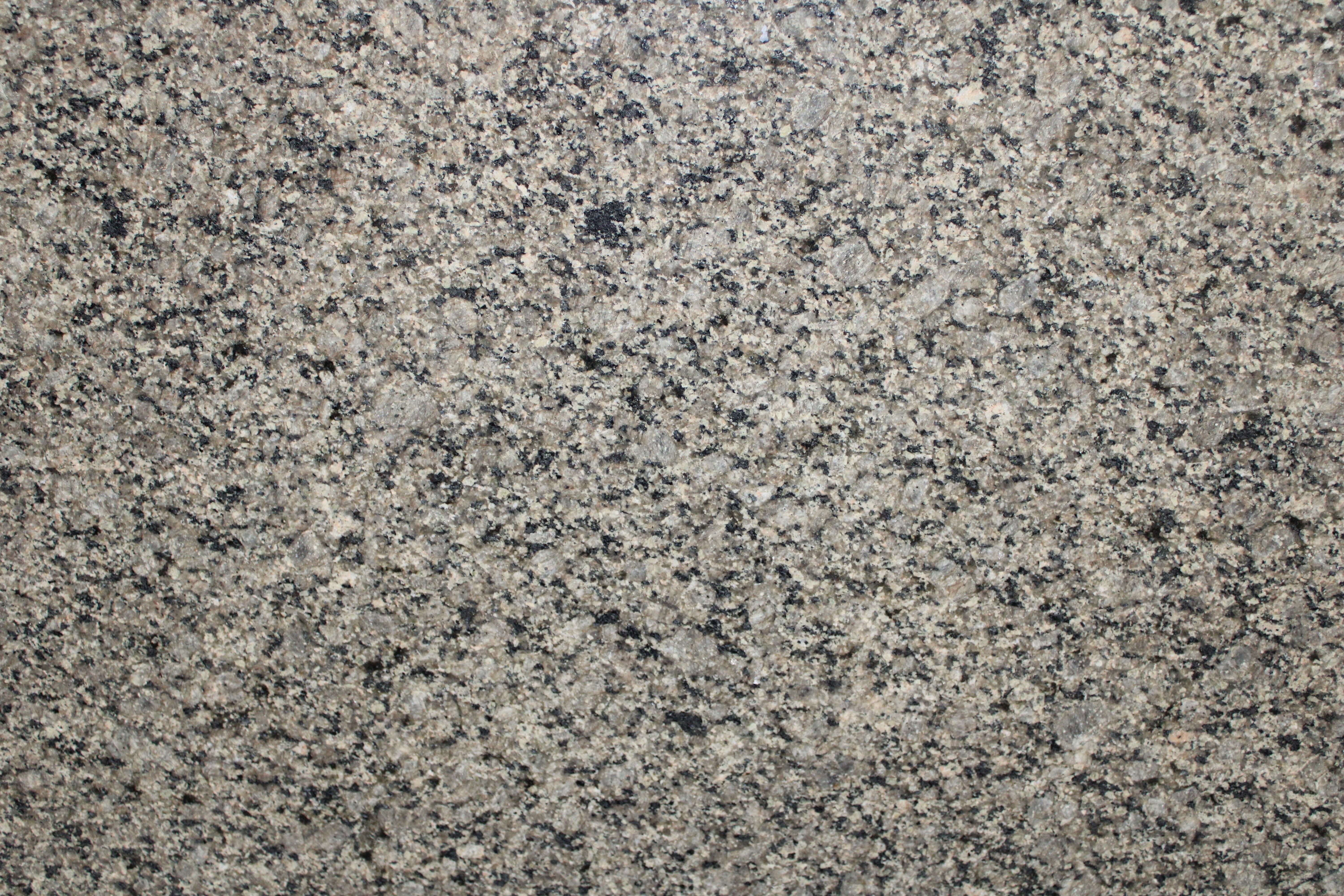
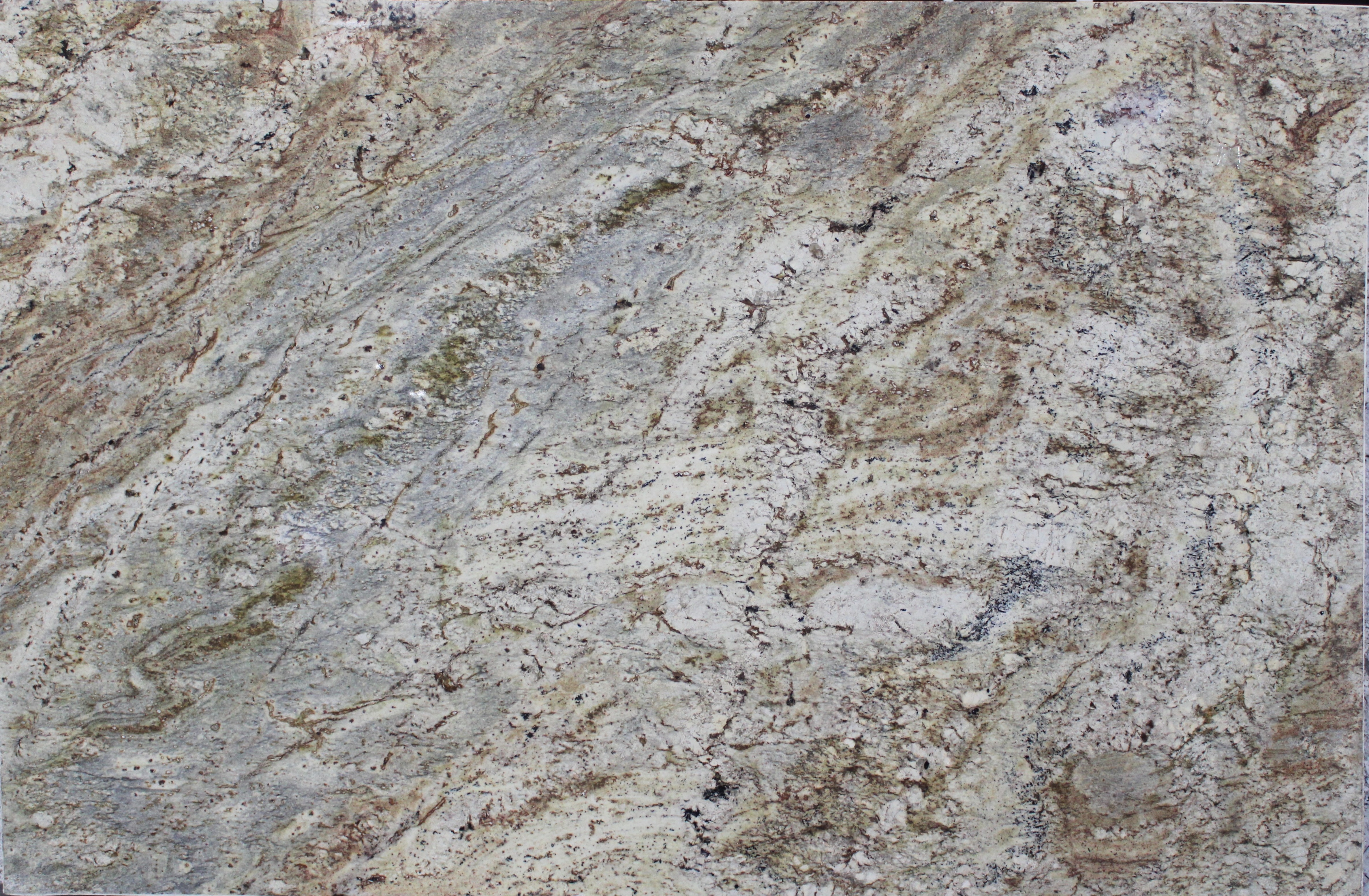
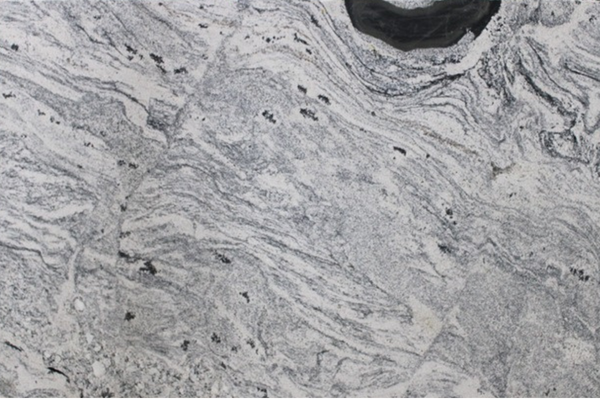
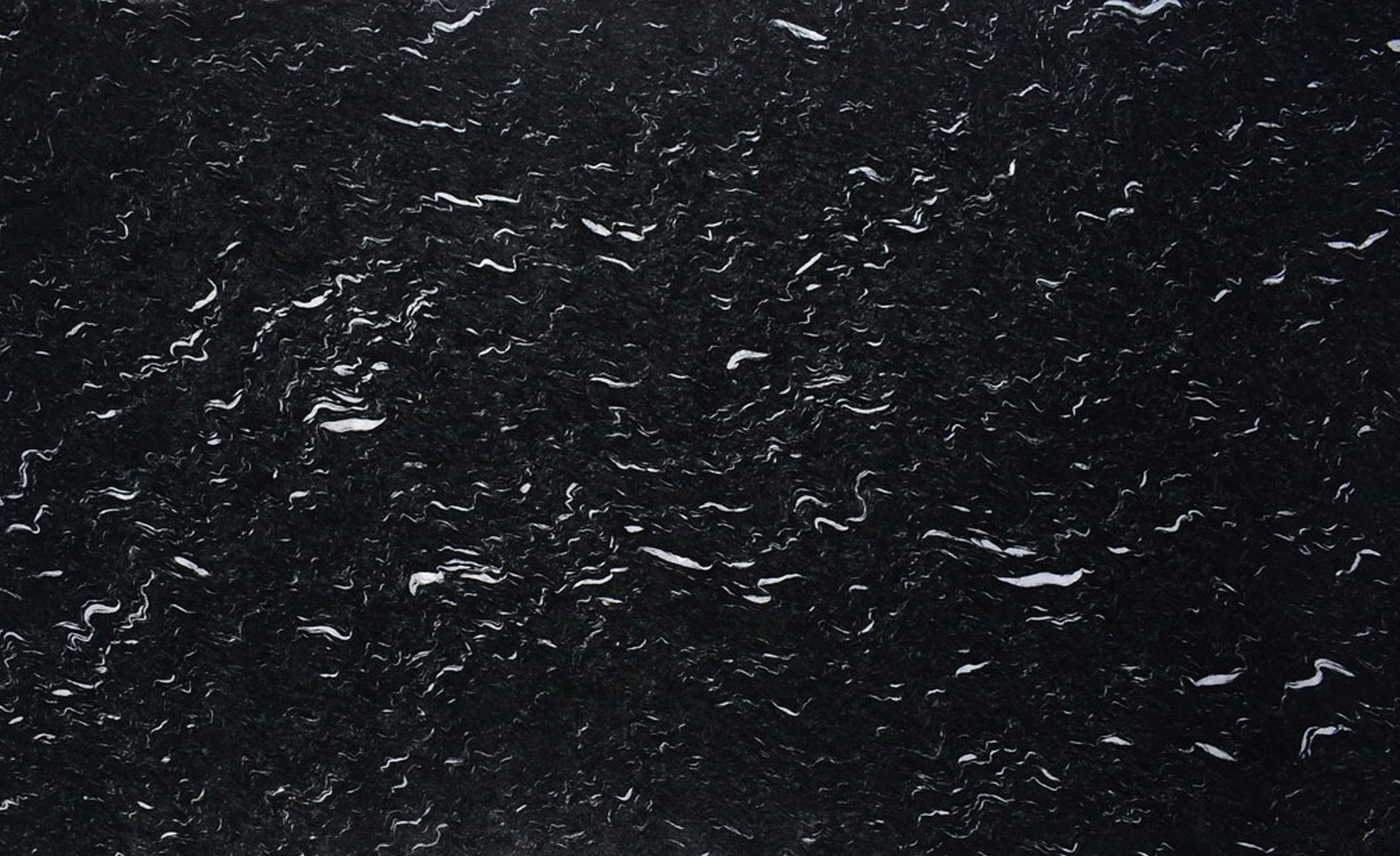
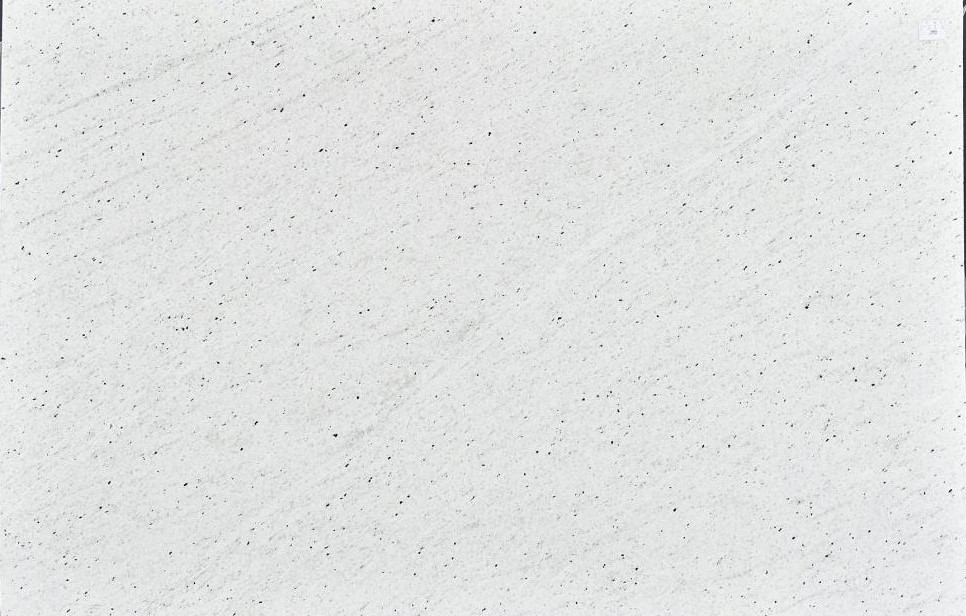
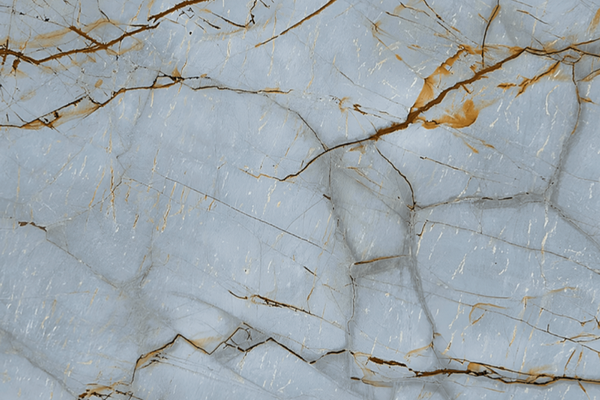
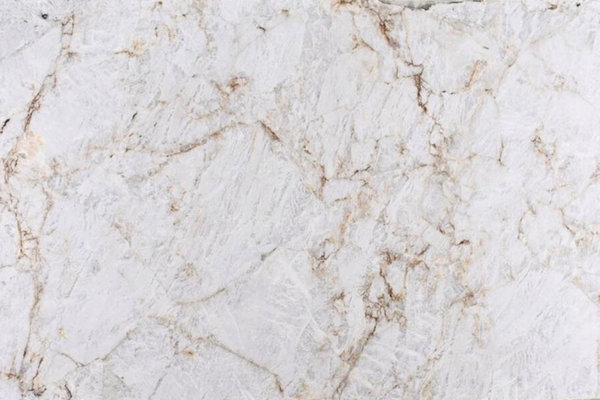
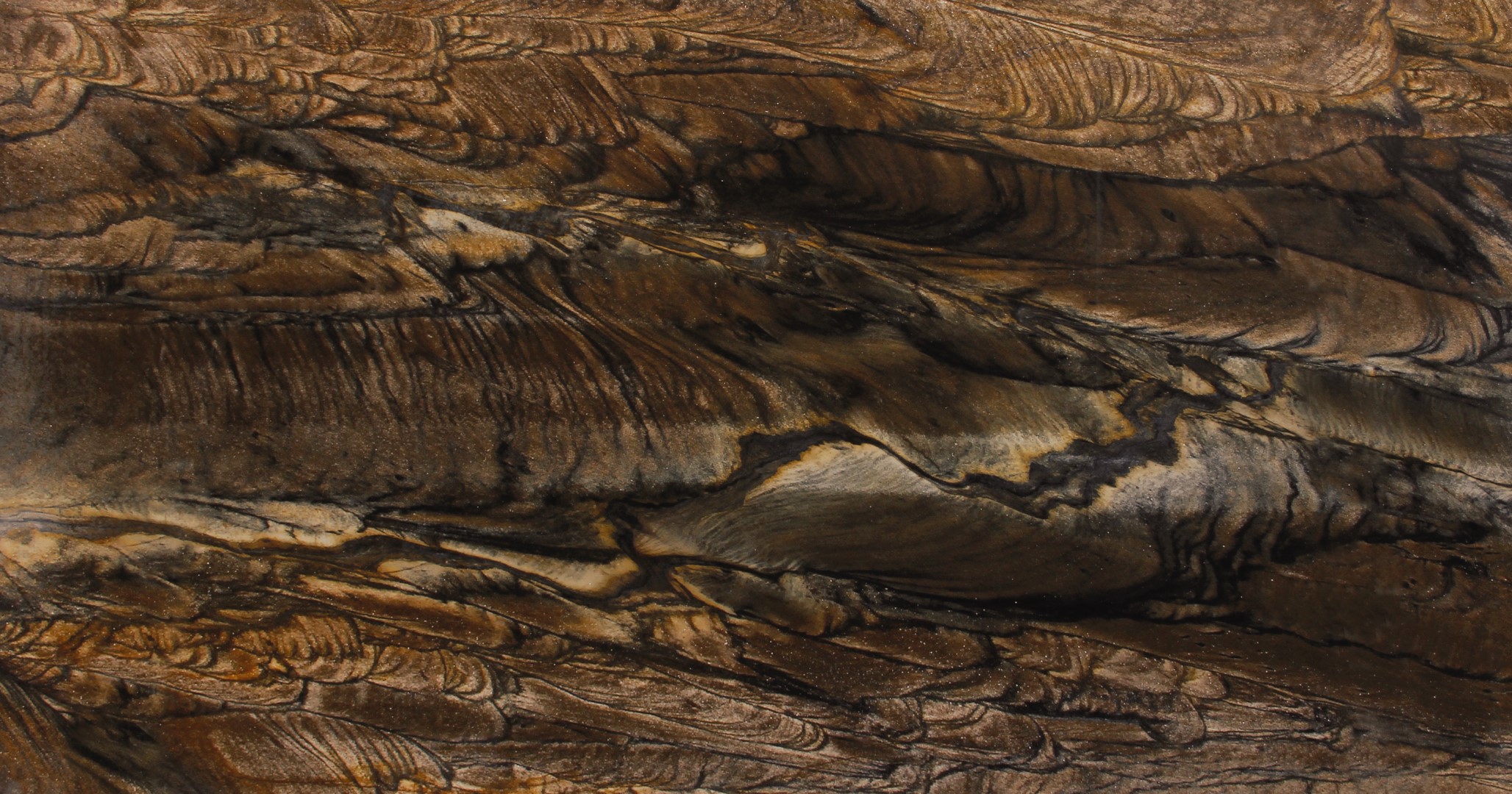
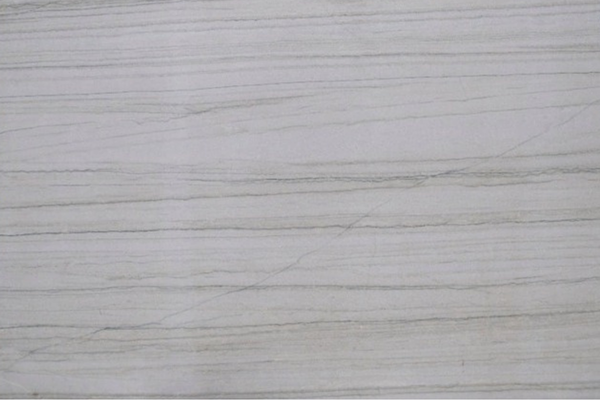
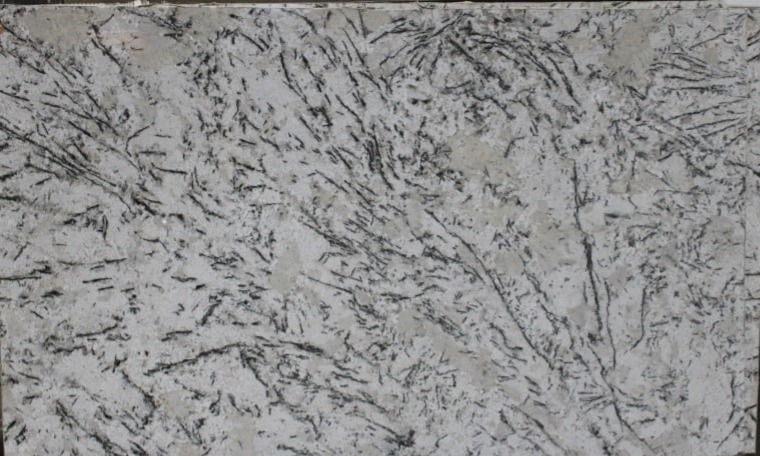
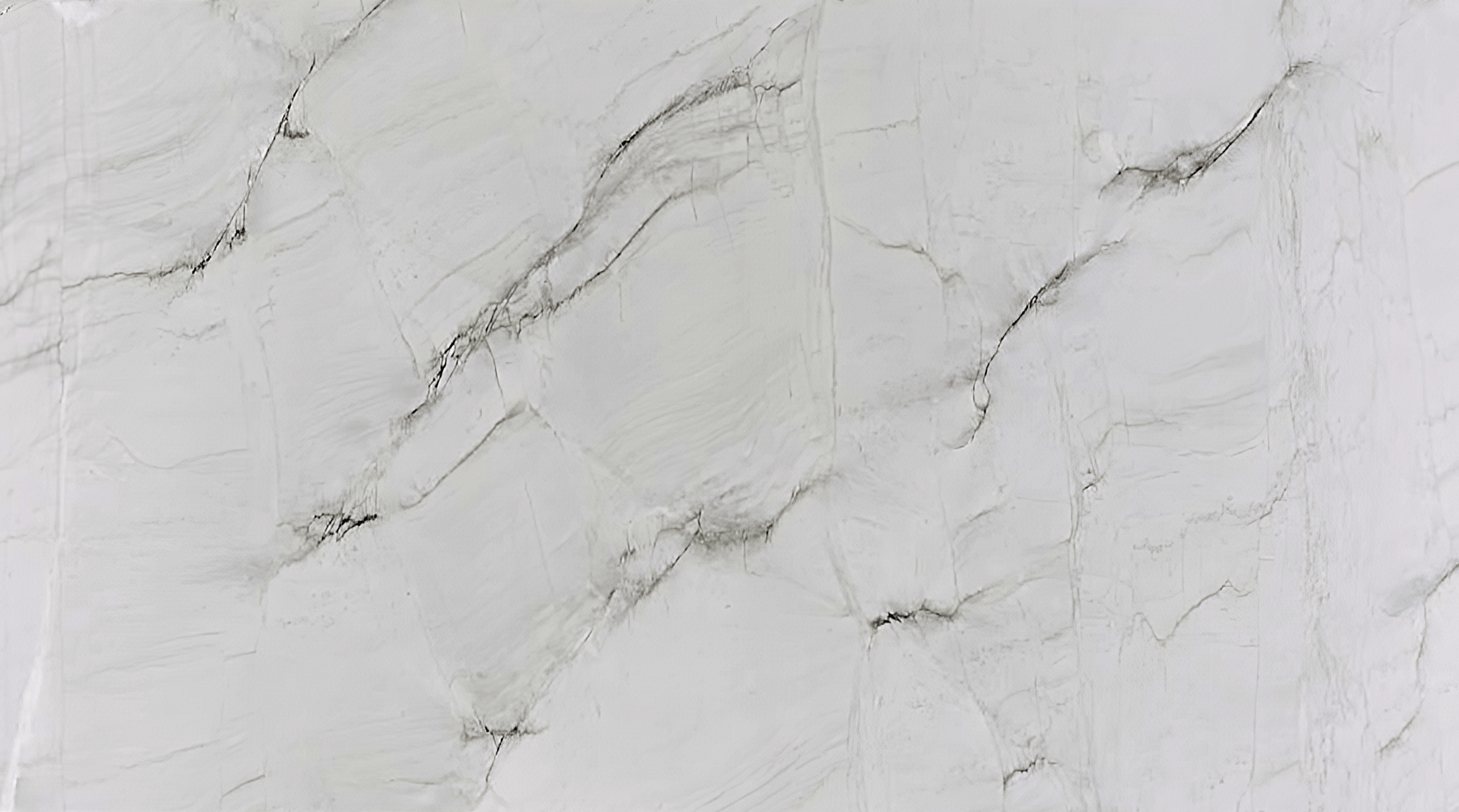
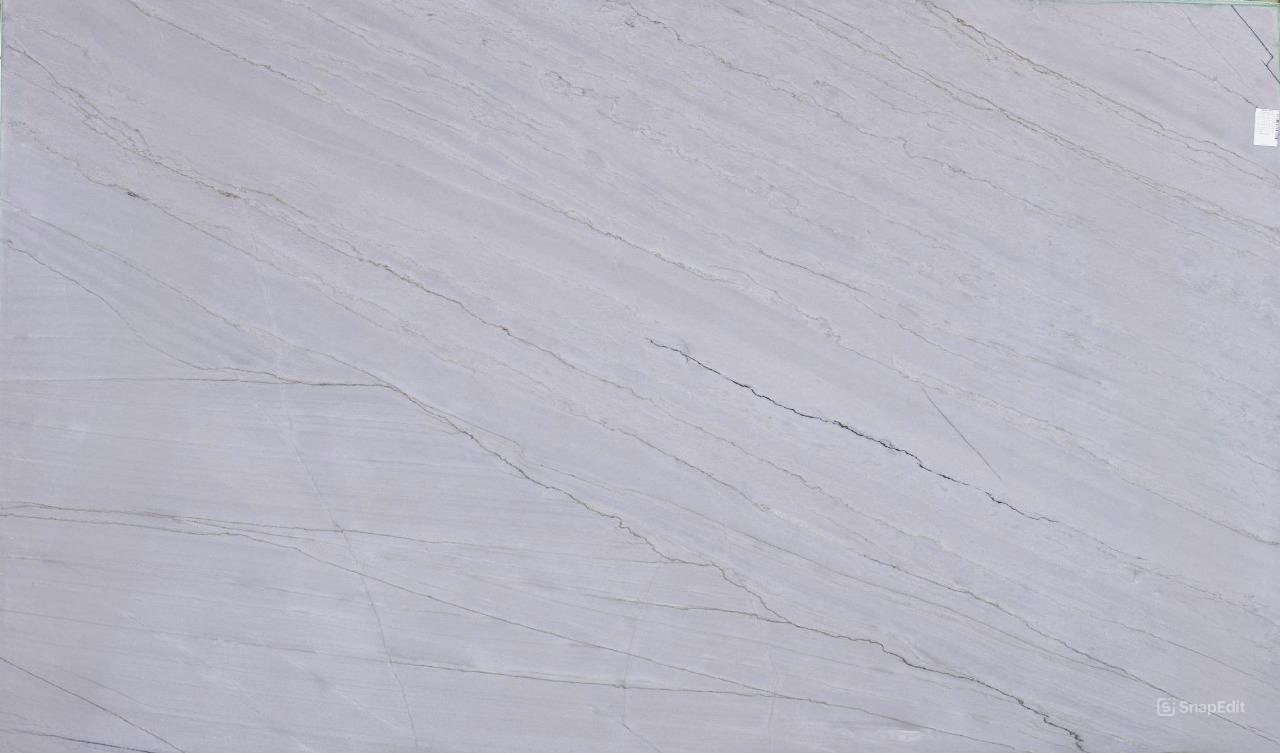
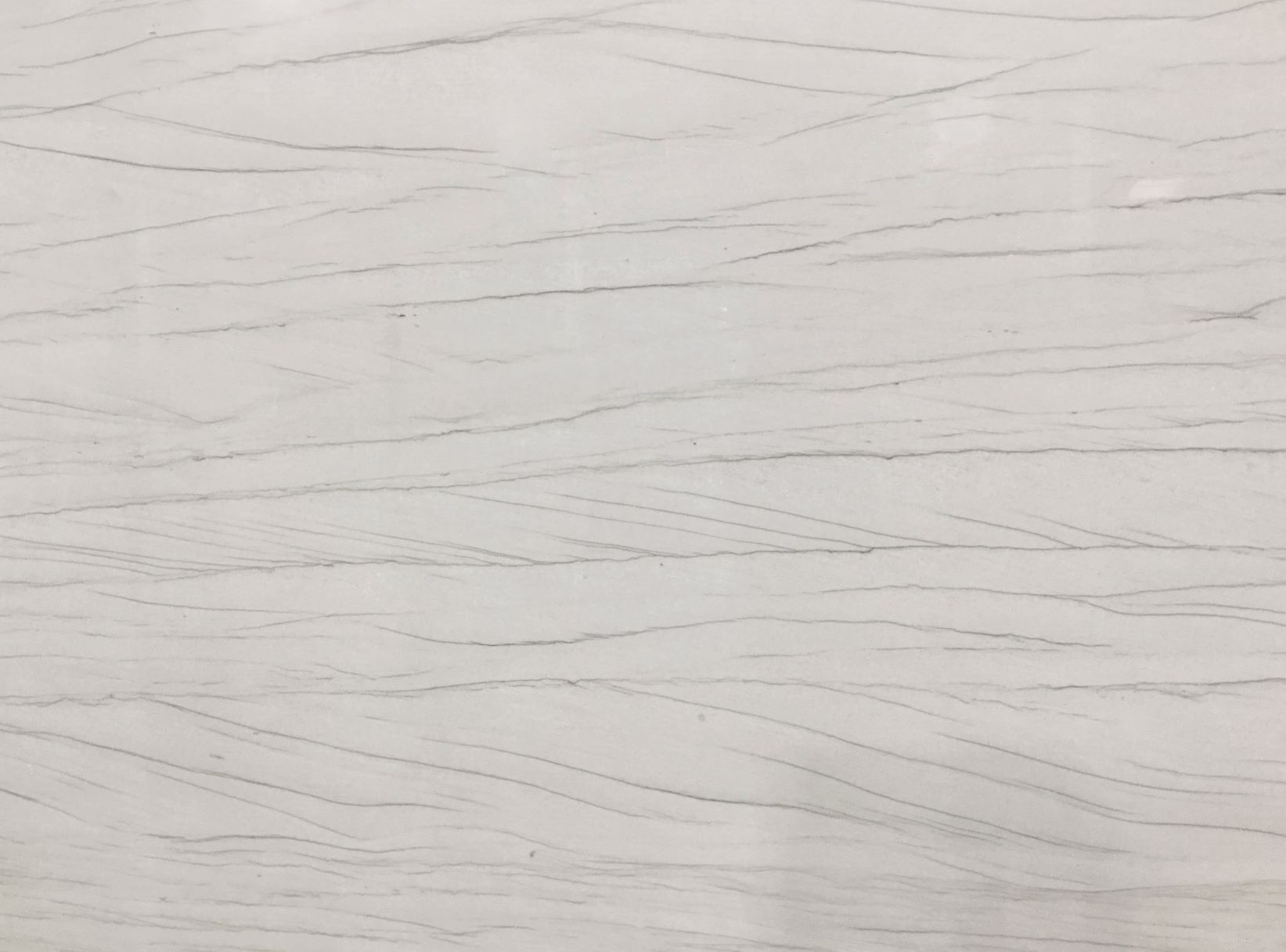
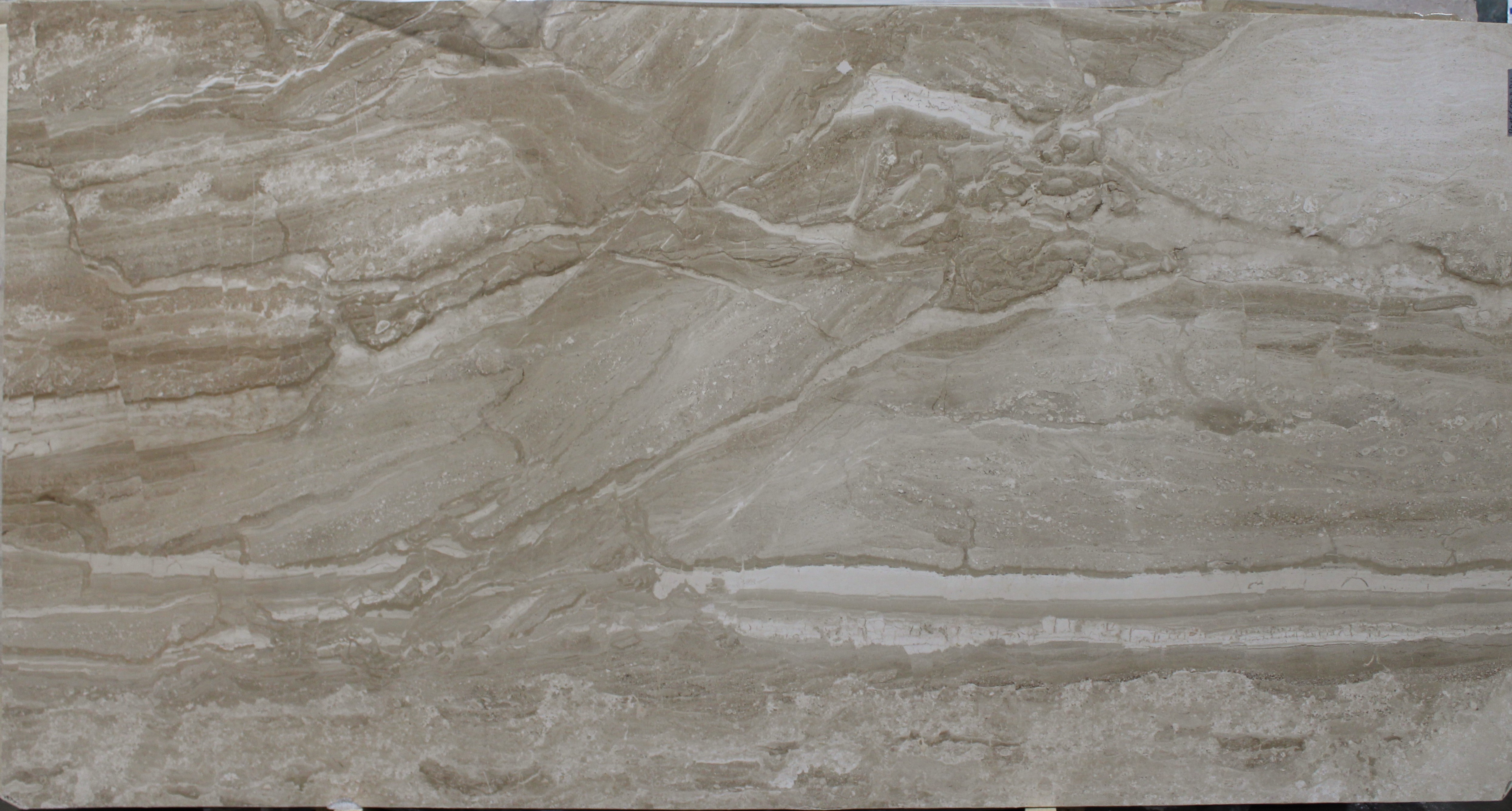
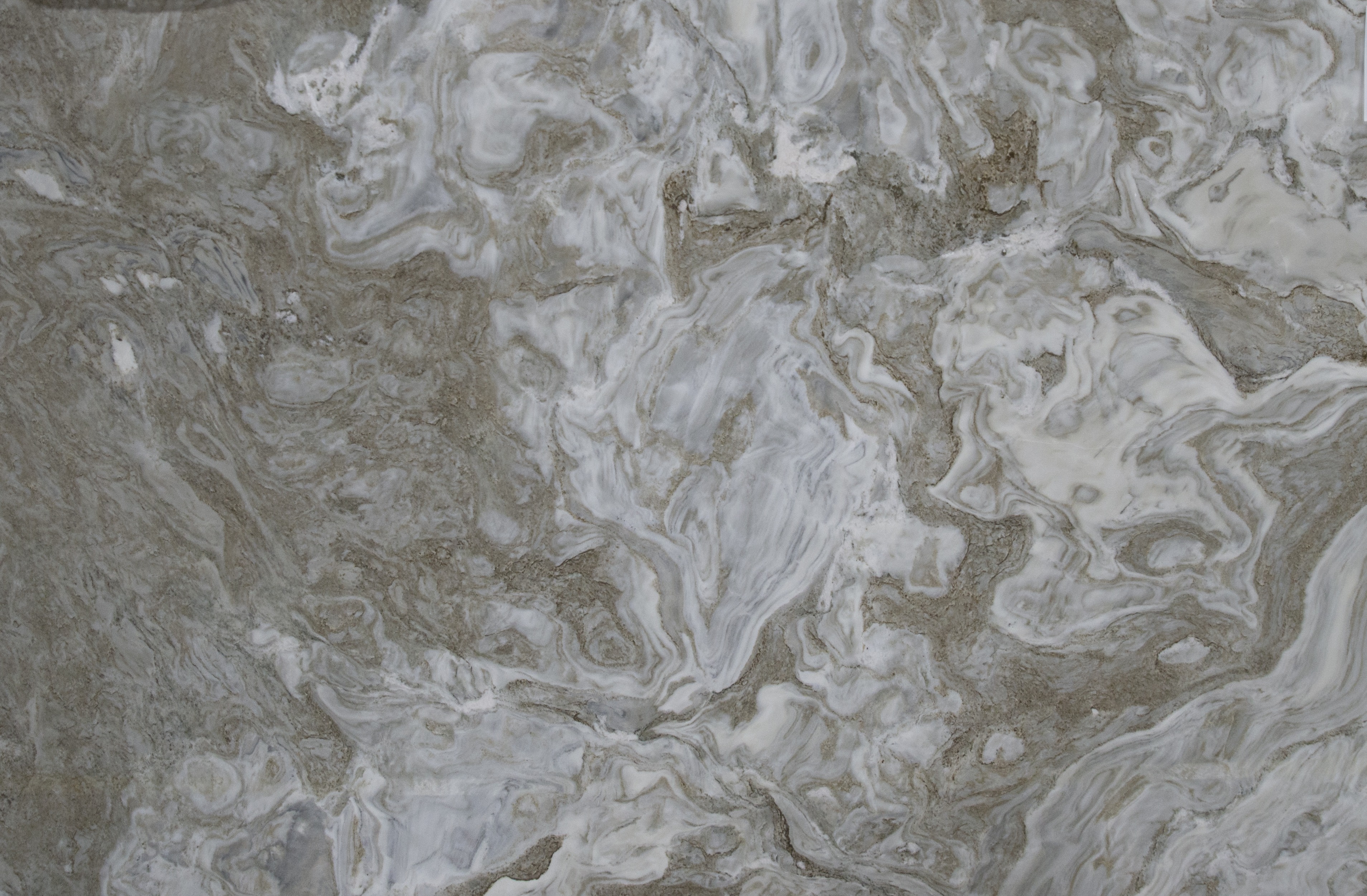
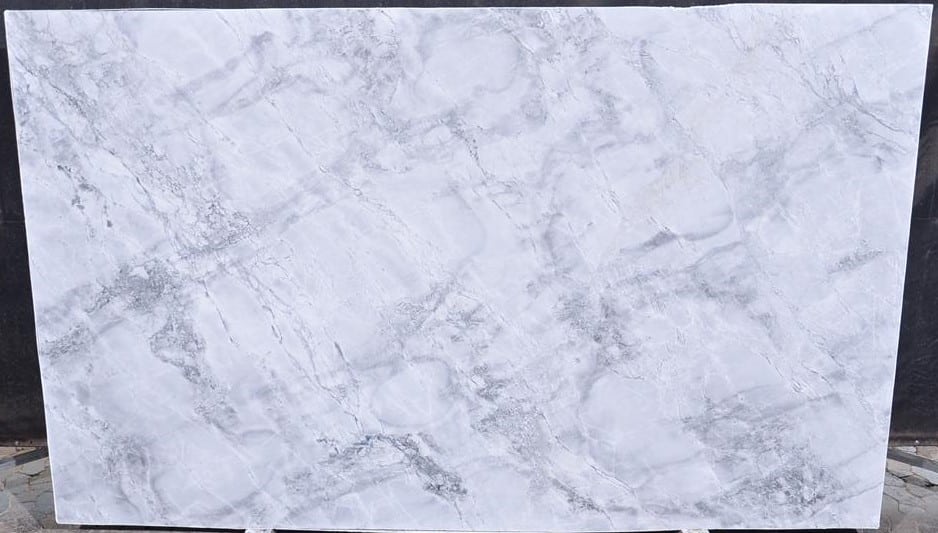
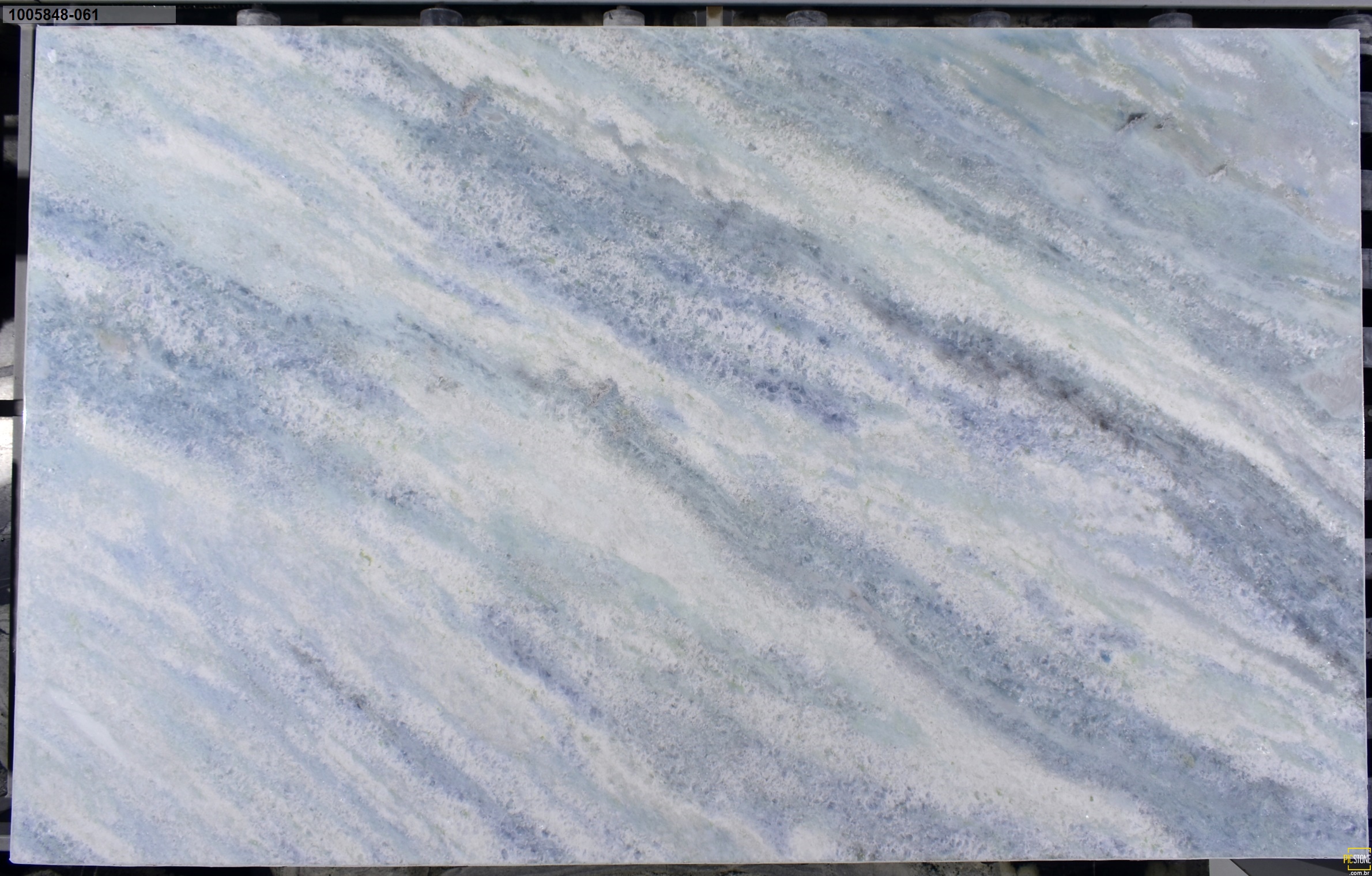
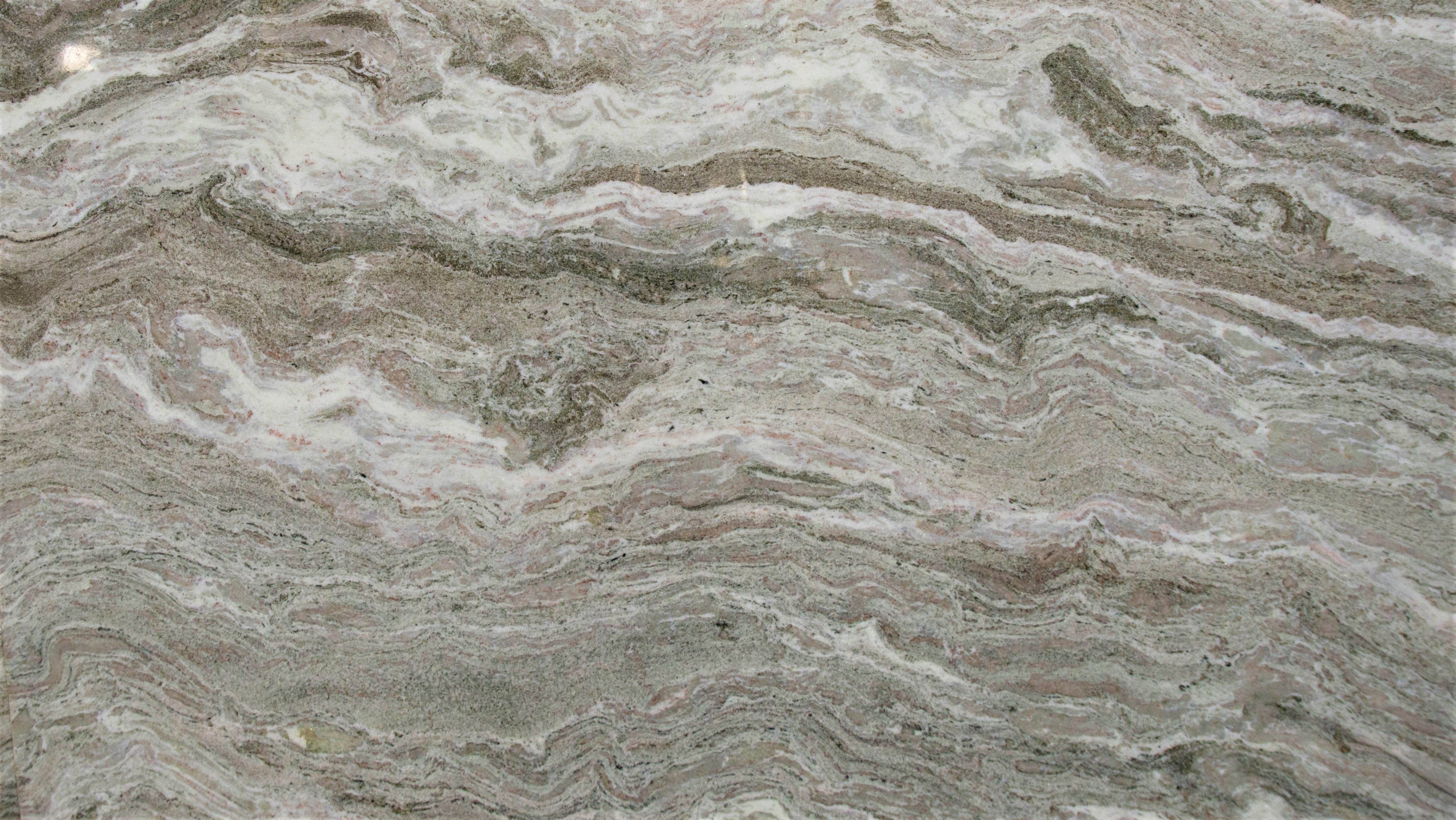
Entry-level colors are the tight, consistent patterns that get quarried in the highest volume. Clean whites and blacks with minimal movement fall here, which is why they price lowest and stay in steady supply. Mid-range colors bring more visible mineral flecks and color variation without being rare, so you get more personality without paying an exotic premium. Premium and exotic granite is where the bold movement lives: dramatic veining, unusual color combinations, and slabs that come from a limited number of quarries or lots.
You can see this range for yourself in our in-stock granite slabs, where every slab is priced individually because no two lots of natural stone are identical, even within the same color name. That is worth knowing before you compare a price you saw online to a quote for a specific slab, since the exact block and lot you are buying can move the price up or down from the "average" you read about.
Installation Cost: What to Actually Expect
This is the section most pricing pages skip, and it is where budgets actually get blown. The "fully installed" range in the table above already assumes a standard layout: one straightforward slab, a basic eased edge, and one simple cutout. Everything below is what gets added on top of that standard scope, not stacked on top of the installed price a second time:
- Templating and measuring: Usually included in a standard installed quote, occasionally a standalone fee up to $150
- Fabrication and setting labor: Usually already folded into the "installed" price above. When a fabricator itemizes it separately, this portion runs roughly $10 to $50 per square foot
- Sink cutout: $100 to $400, with a simple top-mount cutout at the low end and an undermount or farmhouse cutout at the high end
- Cooktop cutout: $100 to $400
- Edge upgrade (beyond standard eased edge, such as bullnose or ogee): $10 to $30 per linear foot
- Waterfall edge panel: $500 to $1,500 or more per panel, since it doubles or triples the fabrication work on that section
- Old countertop removal and haul-away: $100 to $500
- Delivery: Often included locally, sometimes $75 to $200 for longer distances
- Sealing: Usually included with the first install; resealing after that runs $30 to $50 in materials every 1 to 3 years, or more if you hire it out
None of these individually breaks a budget. What blows a budget is stacking three or four of them, an undermount sink, a waterfall island, a full-height backsplash, and an extra seam, on a base quote that only priced a simple standard layout. Ask your fabricator to show each of these as its own line item so you can see exactly what pushed the number up from the average you read about.
Granite vs Quartz Cost for the Same Kitchen
Granite and quartz land in a similar overall price band, but they get there differently. Granite installed typically runs $40 to $150 per square foot for standard to premium grades, while quartz material alone runs $15 to $50 per square foot and installed typically lands at $50 to $150 per square foot, with most homeowners paying $70 to $100 for a mid-grade slab.
Entry-level granite is often cheaper than entry-level quartz, since quartz manufacturing has a baseline material cost that basic granite quarrying does not. But premium and exotic granite can climb past premium quartz once rarity and import costs come into play. If price is your only factor, the two materials will not consistently favor one or the other, it depends entirely on the grade you are comparing.
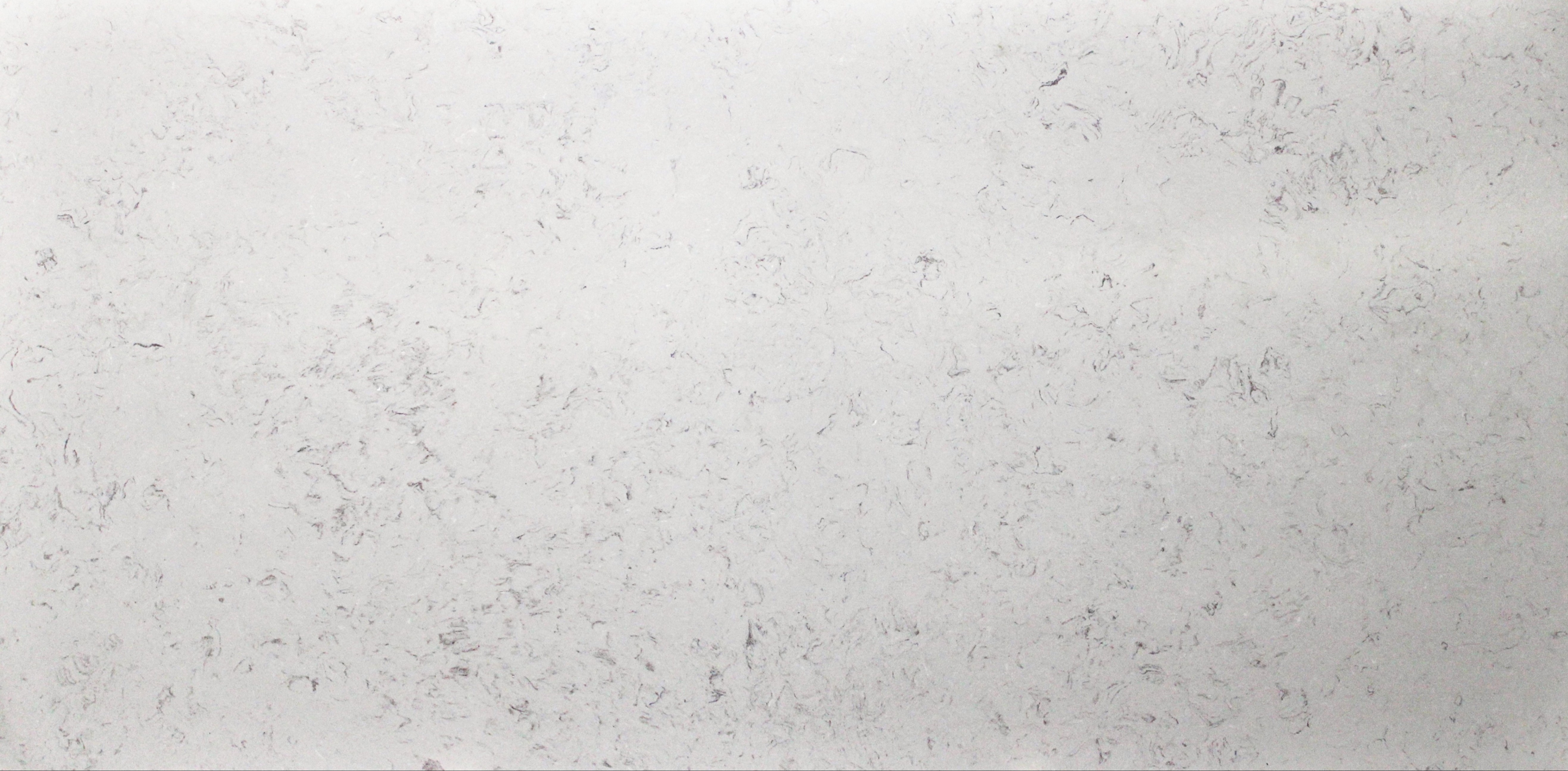
Price is also only half the decision. Quartz generally does not require sealing and resists stains better, while granite handles heat better and offers color and movement quartz cannot replicate. We wrote a full granite vs quartz vs quartzite comparison covering durability, maintenance, and which one actually fits different cooking habits, worth a read if cost is not your only deciding factor. You can browse both side by side in our quartz collection and granite collection to compare real slabs rather than averages.
How to Get an Accurate Quote, Not a Ballpark
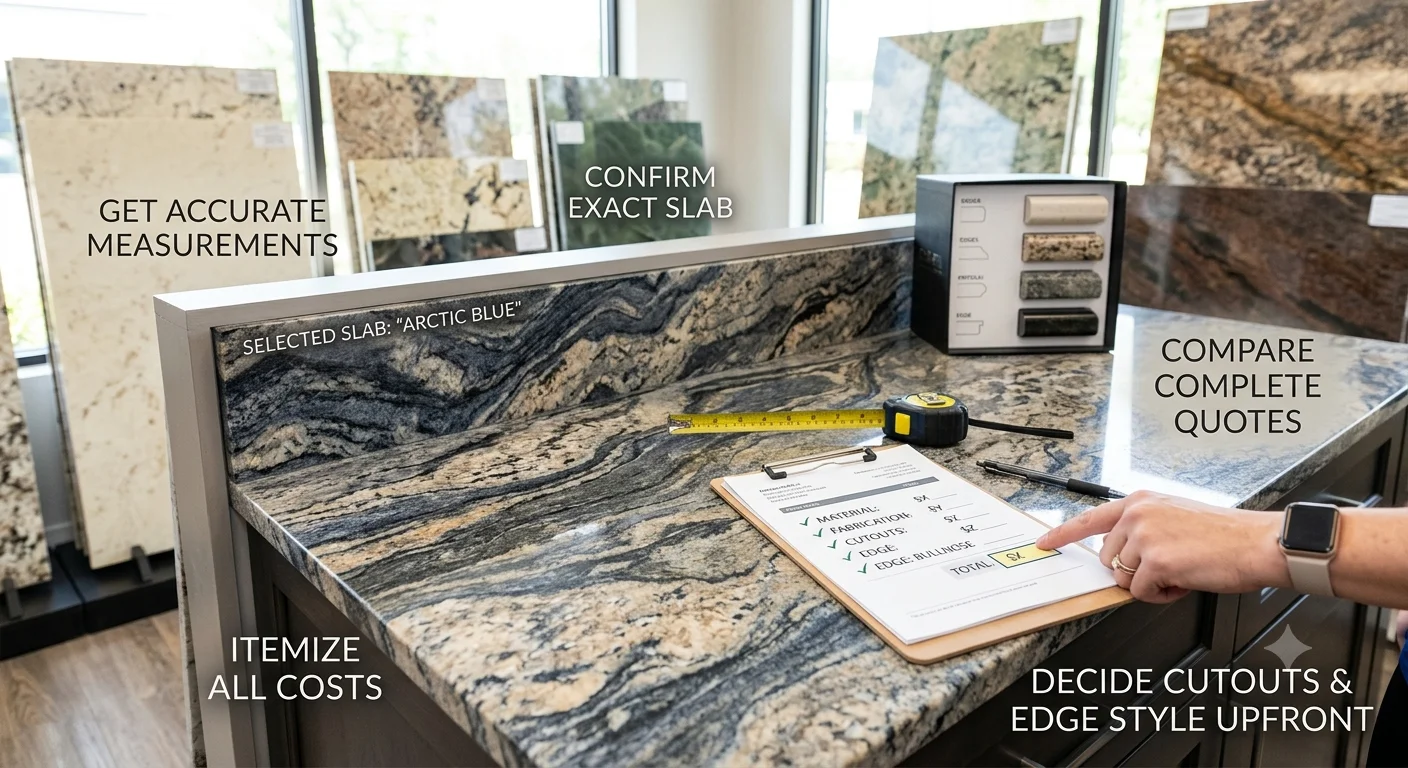
A few steps make the difference between a quote you can trust and one that changes three times before installation:
- Get exact measurements, either your own careful measurement or a professional template, before requesting pricing. Rough guesses lead to rough quotes.
- Decide your cutouts and edge style upfront. An undermount sink, a cooktop, and a bullnose edge all change the number, so lock these in before you compare quotes.
- Ask for an itemized quote: material, fabrication, cutouts, edge work, delivery, old countertop removal, and sealing, each as its own line.
- Confirm the price is for the exact slab you saw, not an average price for that color name. Natural stone varies lot to lot, and a particularly striking slab within a color group can price higher than a plainer one with the same name.
- Compare full quotes, not per-square-foot headlines. Two quotes with the same square footage price can land thousands apart once cutouts and edges are added differently.
If you want a number specific to your kitchen and a specific slab, our team can walk you through it in person at any of our showroom locations, or you can start the conversation through our contact page and we will help you price it against real, in-stock inventory instead of a national average.
The ranges in this guide are planning estimates built from current national market data and our own showroom experience, current as of September 2026. Your actual quote will depend on the specific slab, your local market, and your exact layout, so use these numbers to sanity-check a quote, not as a substitute for one.
Frequently Asked Questions
How much do granite countertops cost in 2026?
Granite countertops cost $40 to $60 per square foot installed for entry-level colors, $60 to $100 for mid-range, and $100 to $250 or more for premium and exotic slabs. A typical 30 to 40 square foot kitchen runs $2,000 to $6,000 all-in for material and installation combined.
Is granite cheaper than quartz?
It depends on the grade. Entry-level granite is often cheaper than entry-level quartz. Premium and exotic granite can cost more than premium quartz once rarity and import costs are factored in. On average, mid-grade options in both materials land in a similar $50 to $150 per square foot installed range.
What does it cost to install granite countertops, not just buy the slab?
Installation labor and fabrication typically add $10 to $50 per square foot on top of the material price. Add sink and cooktop cutouts at $100 to $400 each, edge upgrades at $10 to $30 per linear foot, and old countertop removal at $100 to $500 if applicable.
Why did my granite quote come back higher than the price I saw online?
Most online pricing pages quote material cost only, for the most common colors, with no labor attached. Your actual quote adds fabrication, installation labor, cutouts, edge work, and the rarity of the specific slab you chose, which is why the final number is almost always higher than the headline figure.
Are granite countertop prices going up in 2026?
Prices on domestically common colors have stayed fairly stable. Brazilian granite is the clearest exception: an additional 25 percent U.S. tariff took effect on Brazilian granite, marble, and slate on July 22, 2026, on top of an existing tariff already in place, so imported Brazilian slabs are the ones most likely to cost noticeably more than they did in 2025. Quartzite was excluded from this latest increase.
How much should I budget for a 40 square foot kitchen?
Budget $2,400 to $4,500 for a mid-grade granite kitchen at that size, or $4,500 to $9,000 or more if you are choosing a premium or exotic slab, both figures including material and installation.
Do I need to reseal granite, and does that add to the long-term cost?
Yes. Most granite needs resealing every 1 to 3 years, running roughly $30 to $50 in materials if you do it yourself, more if you hire it out. It is a small but real ongoing cost that quartz, which generally does not require sealing, does not carry.
Is it cheaper to buy granite directly from a stone distributor?
Buying closer to the source generally means less markup stacked between you and the quarry, and it means you are pricing and selecting the exact physical slab you will get rather than an average of a color name. Since natural stone varies lot to lot, seeing full slabs in person at a distributor's showroom is also the most reliable way to know what you are actually paying for before you commit.
.webp)